Key Takeaways:
- Hotel Wi-Fi hacks enable attackers to hijack hotel Wi-Fi gateways and redirect corporate travelers to malicious login pages.
- State-sponsored threat groups deploy fake software updates and custom malware to steal user sessions.
- Cybersecurity experts urge corporate travelers to use full-tunnel VPNs to protect network traffic.
Hackers Exploit Hotel Wi-Fi Networks
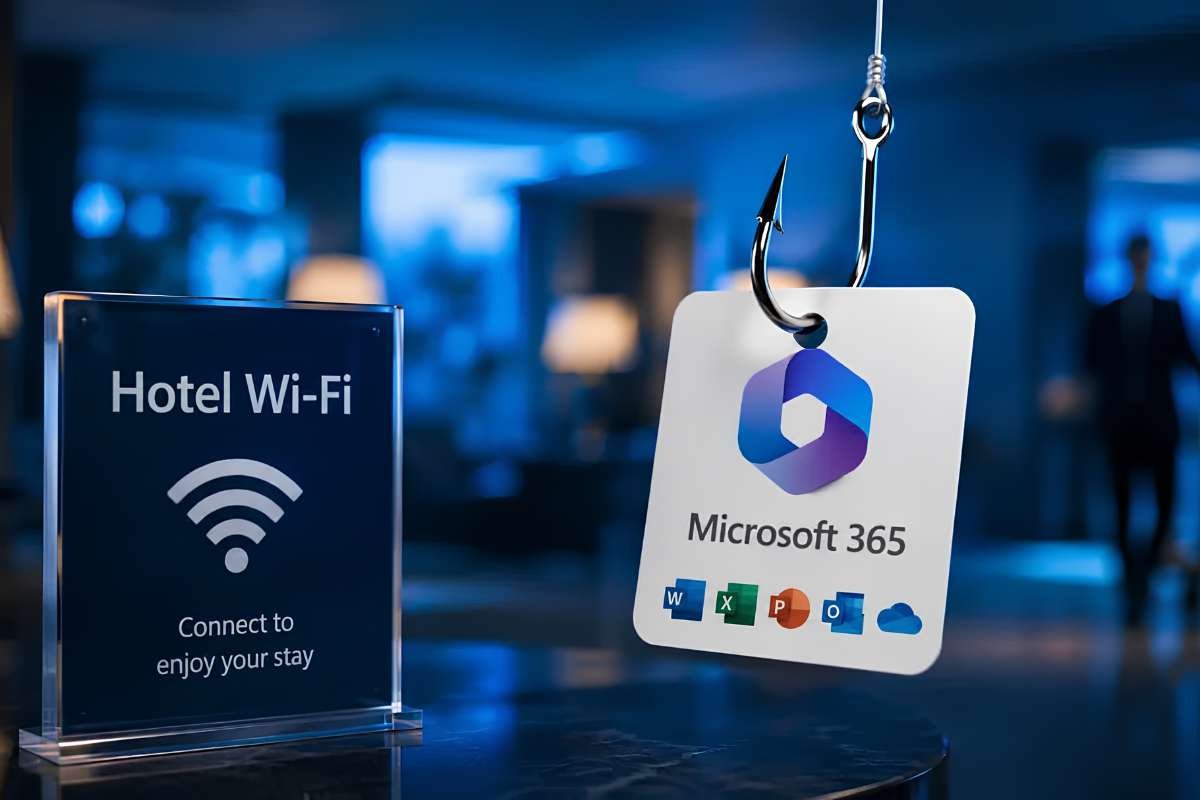
Hotel Wi-Fi hacks have become a growing concern as security researchers warned this week that malicious hackers are compromising public Wi-Fi gateways at hotels and conference centers to steal corporate Microsoft 365 account credentials from traveling employees.
Hotel Wi-Fi hacks rely on sophisticated techniques, including manipulating gateway settings and DNS configurations to secretly redirect users toward fake login portals and malicious update prompts. Affected travelers face severe security risks as attackers intercept web traffic before connections reach the public internet.
“Travelers connecting to public guest networks remain prime targets for sophisticated traffic manipulation and credential harvesting campaigns,” said senior security analyst Marcus Vance. Industry investigators note that many vulnerable venues rely on weak administrative passwords for network management consoles.
Deploying Fake Updates and Malware
Hotel Wi-Fi hacks often begin when attackers hijack a network gateway; they push fake browser updates or system patches designed to trick users into executing malicious payloads. These deceptive screens install remote access trojans capable of recording keystrokes, capturing screen images, and stealing active browser session cookies.
The malicious infrastructure also targets single sign-on tokens to bypass standard multifactor authentication protections without triggering immediate alerts. Technical teams are working closely with enterprise clients to revoke compromised access tokens and patch exposed infrastructure endpoints.
“Attackers use fake progress windows to distract victims while background scripts install persistent surveillance tools on the machine,” noted threat intelligence researcher Sarah Jenkins, highlighting the growing threat of Hotel Wi-Fi hacks. IT departments advise employees to avoid downloading unexpected software updates while traveling.
Defending Enterprise Networks Remotely
Organizations are rushing to update security guidance as hybrid work models increase the volume of corporate travelers logging onto public networks. Security advisors recommend enforcing strict-mode encrypted DNS settings and mandating always-on corporate virtual private networks.
Federal agencies and private cybersecurity firms continue monitoring the widespread campaign linked to Hotel Wi-Fi hacks across multiple international hospitality venues. Further technical advisories are expected as investigators map the full scope of the compromised gateway infrastructure.
“Securing mobile workforces requires robust endpoint protection and continuous verification of network routes beyond the office perimeter,” stated cybersecurity specialist David Miller. Stakeholders anticipate additional updates from software vendors regarding automated threat detection protocols.