Key Takeaways:
- President Donald Trump signed a national security presidential memorandum enlisting Trump private cybersecurity firms.
- Private businesses will help target foreign cybercriminals under the direction, control, and authority of the U.S. government.
- New initiatives focus heavily on disrupting international ransomware and fraud groups.
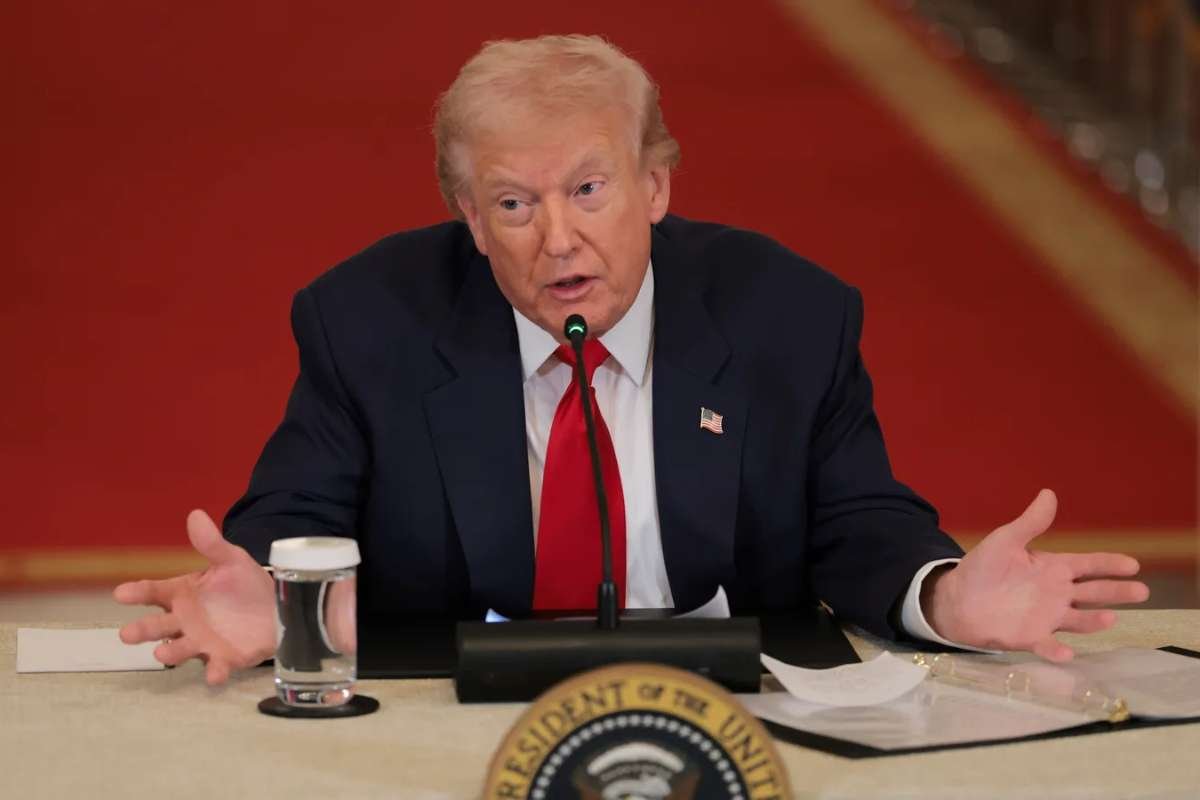
On Wednesday, August 12, 2026, President Donald Trump signed a national security presidential memorandum empowering vetted U.S. companies to execute cyber surveillance and cyber effects operations against foreign criminal groups threatening American networks and digital infrastructure under federal oversight.
President Trump Signs Directive for Private Cyber Operations
President Donald Trump signed a national security presidential memorandum (NSPM) this week to expand the federal government’s digital combat capabilities across international borders.
The directive officially creates a program, run out of the Homeland Security Task Force’s National Coordination Center (NCC), that authorizes vetted Trump private cybersecurity firms to conduct cyber operations against foreign cyber‑enabled transnational criminal organizations (CE‑TCOs) under the direction, control, and authority of the U.S. government.
Administration officials say harnessing commercial technology expertise is vital to confronting sophisticated threat actors who continually target critical American digital infrastructure and private citizens.
This strategic shift brings commercial technology companies directly into government-directed cyber operations that were previously managed primarily by federal law enforcement and intelligence entities.
The White House designed this initiative to dismantle foreign cyber syndicates before they can successfully infiltrate domestic computer systems or steal sensitive government data.
Cybersecurity experts across the global technology industry are currently reviewing the potential operational impacts and legal challenges of this federal policy change, including the expanded role of Trump private cybersecurity firms.
Framework Outlines Government Control and Oversight Rules
Participating technology firms will not operate independently and must remain strictly under the direction, control, and authority of the United States government at all times.
The newly released administrative framework requires private contractors to coordinate all cyber surveillance and cyber effects missions closely alongside federal oversight teams. This requirement also applies to Trump private cybersecurity firms participating in the program.
Officials emphasize that strict supervision prevents unauthorized hacking operations and maintains complete accountability during every phase of foreign digital engagement.
The formal policy guidelines mandate that any company wishing to participate in these government-authorized missions must maintain a bond or escrow of at least $1 million, to be forfeited for non‑compliance.
These mandatory financial requirements provide an added layer of institutional security and accountability while private contractors deploy specialized cyber tools abroad.
The program will be overseen by co‑Executive Directors from the Department of Justice and the Department of Homeland Security, with the NCC managing day‑to‑day operations.
Officials Target Transnational Ransomware and Financial Fraud
The new operational framework focuses heavily on dismantling rampant ransomware attacks and complex financial fraud schemes originating from dangerous foreign jurisdictions. Overseas cybercriminal organizations frequently exploit international legal boundaries to shield themselves from direct American law enforcement actions and prosecution.
By authorizing targeted digital disruptions, federal authorities aim to impose heavy consequences on criminal networks that constantly cripple private businesses and vital public services. Trump private cybersecurity firms can support these efforts by providing specialized commercial cybersecurity capabilities under government supervision.
Federal departments will carefully evaluate detailed proposals submitted by private entities seeking to disrupt specific foreign threat groups under official supervision.
Visit more of our news! CyberPro Magazine