Key Takeaways:
- Tim Cook Security Legacy continues as he becomes executive chairman while John Ternus takes over Apple.
- Cook-era Apple defended encryption and resisted efforts to weaken iPhone security.
- Apple added Lockdown Mode and broader iCloud encryption protections under Cook.
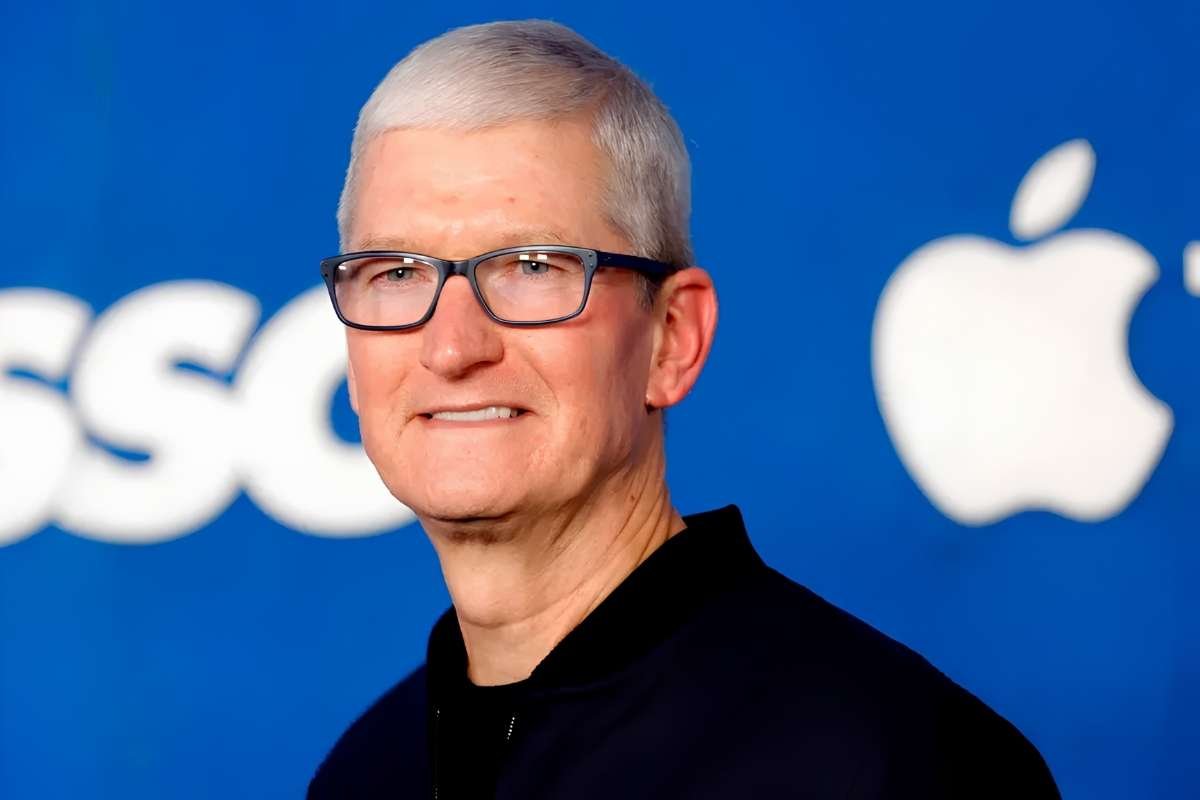
Tim Cook leaves Apple’s CEO role Sept. 1, 2026, as John Ternus takes over and Cook becomes executive chairman after 15 years leading the company.
Cook Leaves CEO Role With Security High on Apple’s Agenda
Apple said Cook will become executive chairman of its board, while John Ternus, senior vice president of Hardware Engineering, becomes CEO on Sept. 1. The board approved the succession plan unanimously.
Cook became Apple’s CEO in 2011 after joining the company in 1998, shaping the Tim Cook Security Legacy along the way. Apple said he will continue helping with areas including engagement with policymakers around the world.
In the same announcement, Apple said Cook has long advocated privacy as a fundamental human right and made privacy and security “imperative” in the company’s decision-making and product development.
Cook Put Apple’s Encryption Position in the Spotlight
A defining security issue during Cook’s leadership came in 2016, when Apple opposed a U.S. government demand tied to the San Bernardino investigation. In a letter signed by Cook, Apple said the order would require a version of iOS that bypassed important iPhone security protections.
Apple argued that creating such a capability could weaken security beyond that single investigation, reflecting the broader Tim Cook Security Legacy. The company said it had already provided data in its possession, made engineers available to advise the FBI and offered investigative options.
The dispute placed Apple at the center of a wider debate over encryption and government access to locked devices. Cook’s public position became closely linked with Apple’s stated view that strong encryption protects customers from hackers and criminals.
Also Read: The Best Virus Protection for iPhone You Should Not Ignore in 2026
Apple Added Protections for Targeted Cyber Threats
During Cook’s tenure, Apple introduced Lockdown Mode in 2022 for people facing rare but highly sophisticated digital threats, including mercenary spyware. Apple described it as an optional protection that limits certain device functions to reduce the attack surface.
At launch, the feature blocked most message attachments other than images, limited some web technologies, restricted certain incoming service requests and blocked wired connections when an iPhone was locked. Apple also said users could not install configuration profiles while Lockdown Mode was enabled.
Apple also expanded cloud data protection with Advanced Data Protection for iCloud. When enabled, Apple said the feature increased end-to-end encryption from 14 to 23 data categories, including iCloud Backup, Notes and Photos, while iCloud Mail, Contacts and Calendar remained outside that protection.
As Cook moves to the executive chairman role, Apple’s succession marks a leadership change while keeping the Tim Cook Security Legacy and its privacy and security record in view. His tenure included Apple’s public defense of strong iPhone encryption, the introduction of Lockdown Mode for users facing highly targeted threats, and expanded optional end-to-end encryption for supported iCloud data.