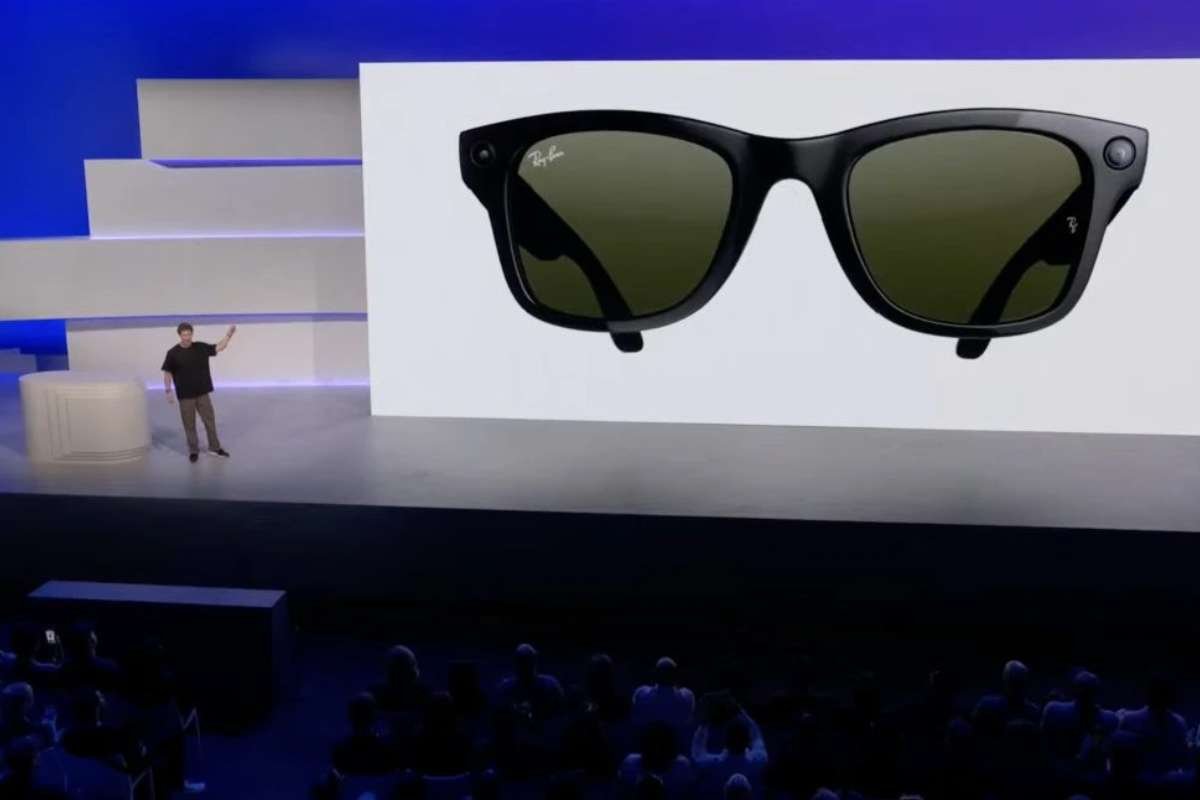
Key Takeaway:
- Smart glasses privacy concerns are growing as camera-equipped eyewear enables discreet audio and video recording.
- Current privacy frameworks struggle to regulate continuous recording and data collection.
- Legal experts urge lawmakers to introduce targeted safeguards for wearable tech.
Smart Glasses Enter Mainstream Markets
As affordable camera-equipped eyewear gains popularity globally, Smart glasses privacy concerns are intensifying as legal scholars warn that existing privacy regulations fail to protect bystanders from continuous, unannounced audio and video recording.
The rapid commercial success of low-cost wearable devices allows consumers to subtly capture public spaces, raising intense concerns about personal privacy and informed consent. Unlike traditional smartphones that are held up deliberately, smart glasses integrate lenses seamlessly into everyday accessories, making recording nearly invisible to those nearby.
“There are now many more people walking the streets wearing glasses that can subtly film and record the world around them,” said Kimberlee Weatherall, a professor of law at the University of Sydney. Analysts emphasize that this technological shift undermines traditional expectations of privacy in public and semi-public environments.
Gaps in Modern Privacy Frameworks
Legal experts point out that current data protection statutes were designed for fixed cameras or handheld devices, leaving major regulatory loopholes for artificial intelligence-powered wearables. Because these spectacles can process visual and audio data in real time, Smart glasses privacy concerns continue to grow as bystanders have no practical way to opt out or object to collection.
Researchers note that manufacturers often store or review captured interactions to train machine learning models, further complicating compliance with international data privacy standards. Regulators across multiple jurisdictions are currently reviewing whether current laws can adequately address continuous, wearer-operated surveillance.
“Existing legislation simply did not anticipate consumer tech that constantly records and analyzes everyone in the immediate vicinity,” stated Milica Stilinovic, a legal research associate. Consumer advocacy groups continue demanding stricter transparency measures and mandatory indicator lights for recording devices to strengthen Smart glasses privacy.
Evaluating Future Regulatory Solutions
Lawmakers face mounting pressure to bridge these legal gaps through specific amendments targeting wearable hardware. Proposed interventions include mandatory privacy-by-design standards, strict limits on automated data retention, and clearer physical indicators to alert nearby individuals.
Industry representatives maintain that device manufacturers are exploring built-in software solutions to respect user boundaries and prevent unauthorized surveillance abuse. However, critics argue that voluntary corporate guidelines remain insufficient to safeguard public privacy.
Stakeholders await formal policy recommendations from international data protection authorities later this year, with Smart glasses privacy expected to remain a key focus of upcoming regulatory discussions.
Visit CyberPro Magazine to read more.