Key Takeaways
- Financial institutions are advised to strengthen system defenses and patch vulnerabilities quickly
- New AI models can detect hidden software flaws that remained undiscovered for years
- Cybersecurity agencies issued alerts on April 15, highlighting the emerging AI risks
- Critical infrastructure sectors like banking face rising exposure to advanced cyber threats
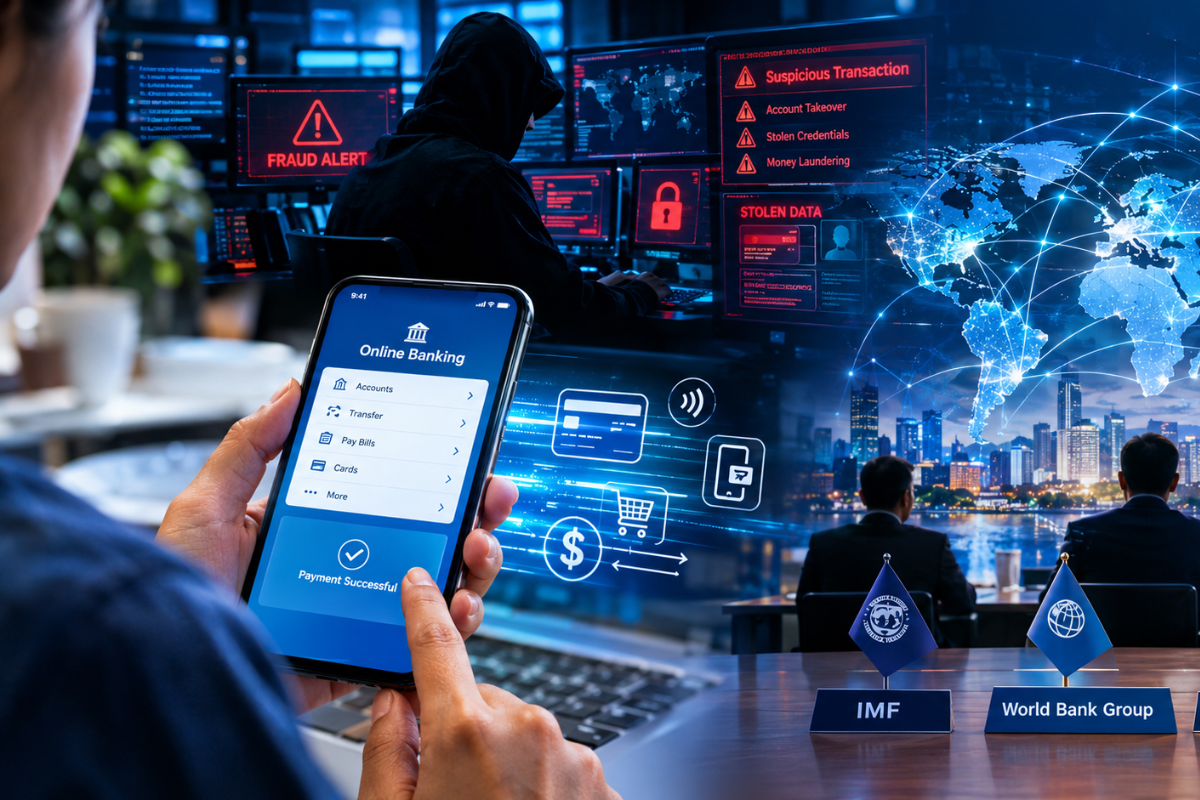
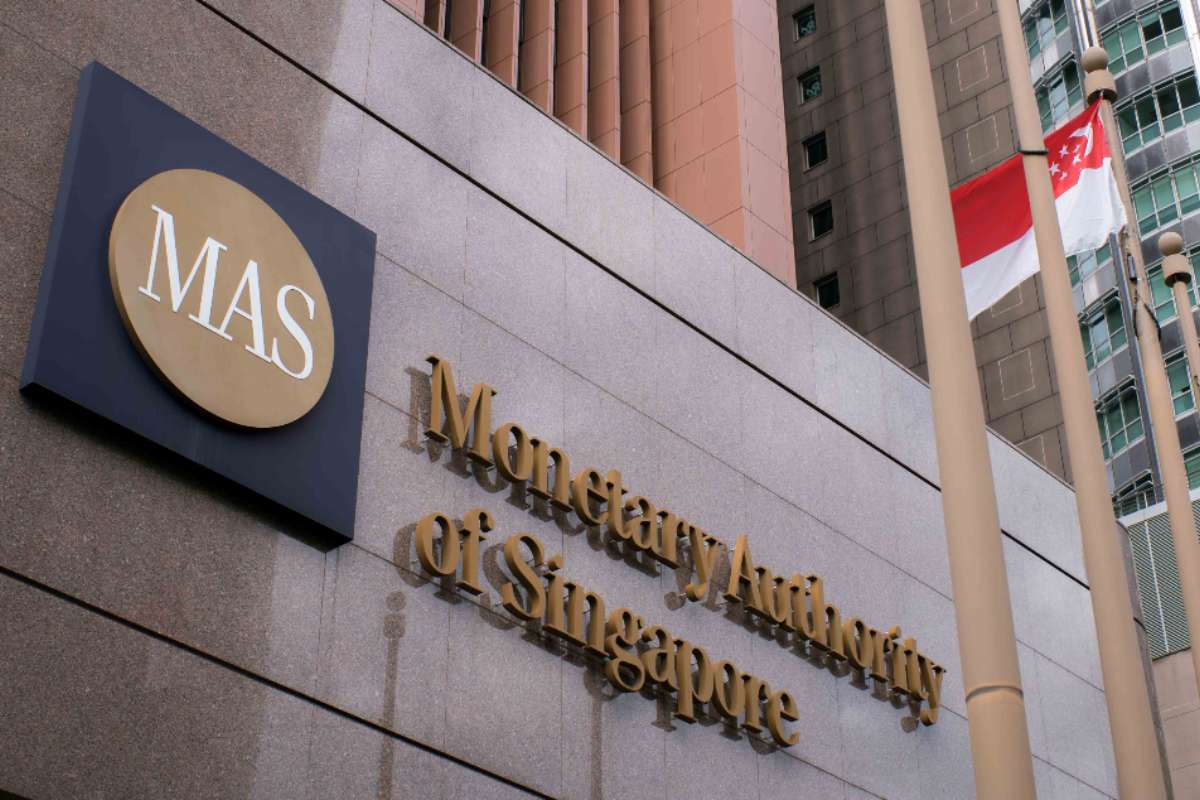
The Monetary Authority of Singapore has urged banks and financial institutions to strengthen Singapore banks’ cybersecurity measures as concerns grow over emerging risks linked to advanced artificial intelligence systems.
AI Advancements Raise New Cybersecurity Challenges
The regulator is working with the Cyber Security Agency of Singapore to improve protection across critical infrastructure. This includes banks and financial systems that manage sensitive data and high-value transactions, further reinforcing Singapore banks’ cybersecurity efforts.
The warning follows growing attention around Anthropic and its latest AI model, Mythos. The model has been released in a limited form due to concerns about its ability to identify deep system vulnerabilities.
Authorities noted that advances in artificial intelligence can speed up how quickly weaknesses in software are discovered. This creates a situation where vulnerabilities that once took months or years to uncover can now be detected much faster.
As a result, financial institutions are being asked to increase vigilance. This includes improving cyber hygiene practices such as timely updates, regular system checks, and rapid response to potential threats.
The advisory issued on April 15 highlighted the need for stronger monitoring and proactive security actions. While the advisory did not directly name Mythos, it pointed to similar risks linked to advanced AI systems.
Banks Face Pressure To Strengthen Defenses
The banking sector is considered a high-value target due to the volume of sensitive information and financial transactions it handles. With AI tools becoming more capable, the risk of sophisticated cyber attacks is increasing, making Singapore banks’ cybersecurity more critical than ever.
Regulators emphasized the importance of identifying and closing security gaps before they can be exploited. This includes regular vulnerability assessments and continuous system monitoring.
The concern around Mythos reflects a broader global trend. Advanced AI models are now capable of scanning complex systems and identifying flaws that may have gone unnoticed for years. This raises the risk of more precise and effective cyber attacks.
At the same time, cybersecurity teams must adapt to faster threat cycles. The ability of AI to accelerate both attack and defense strategies means response times need to improve significantly.
Financial institutions are also being encouraged to strengthen coordination with national cybersecurity bodies. This ensures that threat intelligence is shared quickly and that responses remain consistent across the sector.
The situation highlights a shift in cybersecurity dynamics. As AI capabilities grow, both risks and defenses are evolving at a rapid pace. Organizations must continue to upgrade Singapore banks’ cybersecurity practices to stay ahead of emerging threats.