Key Takeaways:
- Samsung asserts that Samsung smart glasses privacy challenges require a comprehensive, industrywide fix.
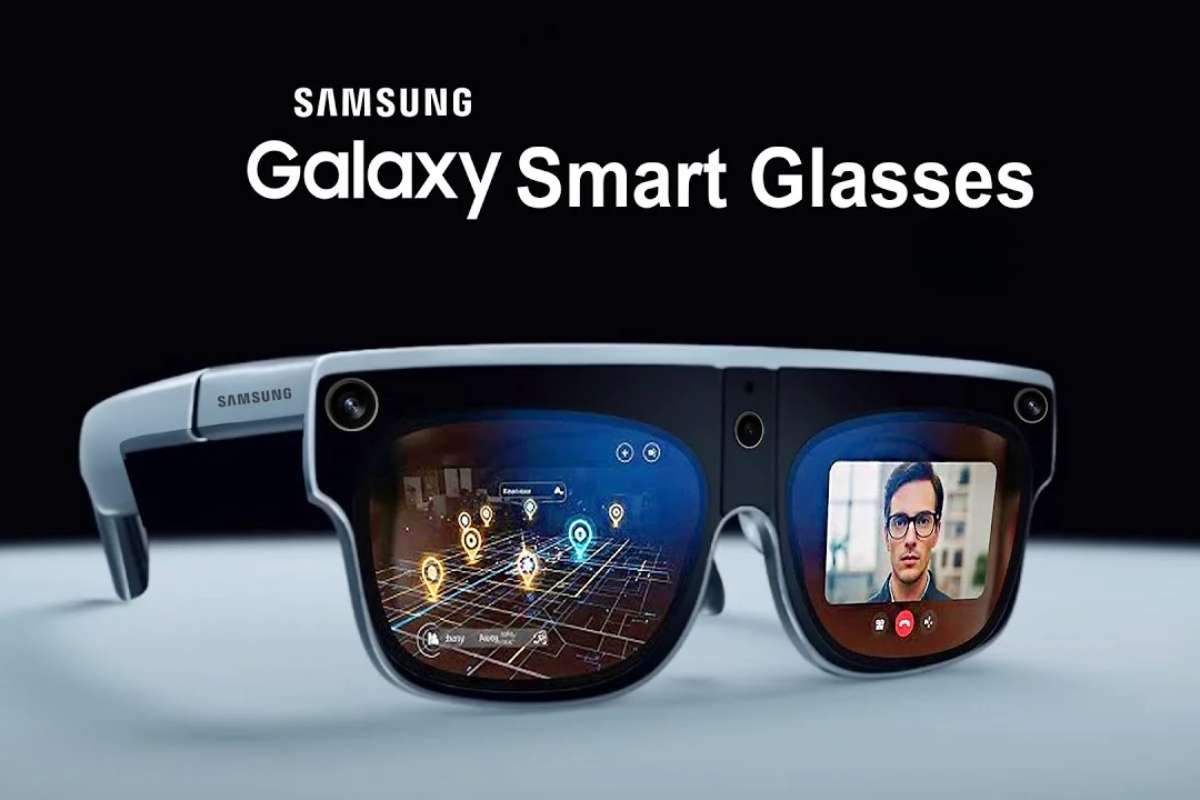
- The tech giant unveiled new AI-powered smart glasses developed in partnership with Google and eyewear brands.
- Executives noted that public sensitivity to potential surveillance varies greatly across global cultures.
Samsung Calls for Industrywide Privacy Solutions
Samsung Electronics executives stated that Samsung smart glasses privacy concerns, driven by growing consumer worries over camera-equipped smart glasses, require an industrywide fix as the company prepares to launch its new wearable devices this fall.
The company showcased its upcoming AI-powered smart glasses, developed in collaboration with Alphabet Inc.’s Google, Warby Parker, and Gentle Monster, during an event in London. While the hardware features an indicator light to signal video recording, leadership acknowledged that hardware safeguards alone cannot fully resolve public apprehension over continuous recording capabilities.
Navigating Cultural Sensitivities Worldwide
Choi Jae-in, vice president of mobile experience at Samsung, emphasized that Samsung smart glasses privacy concerns are perceived differently by consumers based on regulations and local social norms. He noted that population density in public transit hubs across various countries amplifies unease regarding wearable recording technology.
“Consumers’ sensitivity to potential privacy risks varies greatly depending on culture, country, and regulations,” Choi stated during a press briefing, describing the dilemma of Samsung smart glasses privacy as a shared market obstacle.
Balancing Innovation With Public Trust
Industry competitors have similarly faced intense public scrutiny over data collection and consent management on smart frames. Samsung maintains that pausing product development to resolve social debates would hinder technological progress, making collaborative regulatory standards essential.
“If, because of that, we stop innovation, we don’t go anywhere,” Choi added, stressing that engineering teams must continuously optimize Samsung smart glasses privacy safeguards while pushing hardware capabilities forward. The company plans to ship the new frames later this year, relying on connected Android smartphones to process advanced artificial intelligence tasks.
Visit CyberPro Magazine to read more.