Key Takeaways
- Sony’s PS5 disc phase-out strategy has triggered widespread backlash from PlayStation users.
- Physical games still offer value through resale, ownership, and consumer choice.
- Xbox has an opportunity, but its restructuring may limit its competitive response.
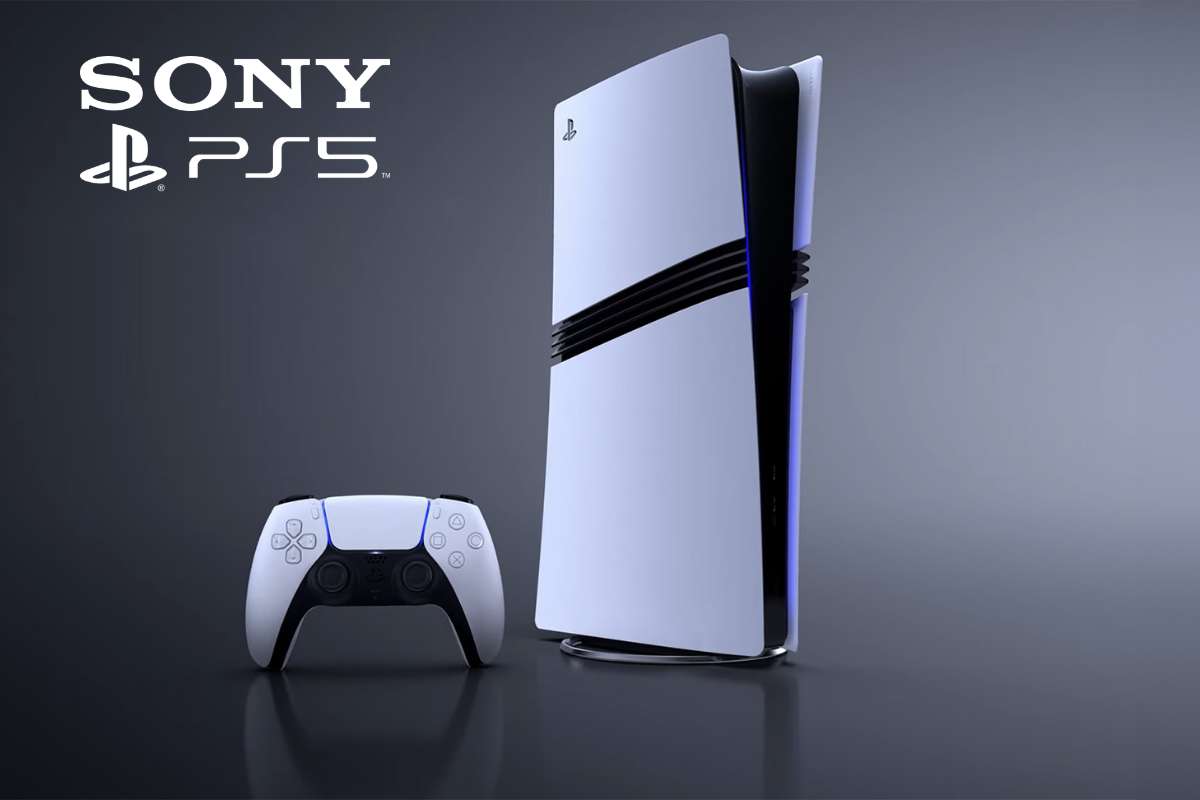
Sony’s decision to phase out physical PlayStation 5 game discs by January 2028 is drawing strong criticism from gamers, raising fresh questions about digital ownership, resale rights, and the future of console gaming as the industry continues shifting toward digital distribution.
Sony says the PS5 disc phase-out reflects changing consumer habits, with about 85% of PlayStation game sales already taking place digitally. However, many players argue that removing physical discs eliminates the flexibility to buy, sell, or trade games, reducing consumer choice.
The announcement has also coincided with a lawsuit in the Netherlands over PlayStation Store pricing, though much of the public discussion has centered on how the change could affect gamers rather than the legal dispute.
Gamers Question the Value of Going Fully Digital
Thousands of PlayStation users responded to Sony’s announcement through the company’s official blog, with many expressing disappointment and saying they may reconsider future PlayStation purchases.
Andrew Ching, marketing chair at Johns Hopkins Carey Business School, said physical copies continue to serve an important role despite digital downloads dominating overall sales.
“From a strictly economic viewpoint, making the physical disk is costly,” Ching said. “There are people who are diehard, who grew up with Sony and Xbox, and they still value having a physical copy and the possibility that they can resell it.”
Ching said physical games provide buyers with added value because they can often recover part of their purchase price through resale. A player who buys a $60 game and later sells it for about $20 effectively spends closer to $40, making physical ownership more attractive for price-conscious consumers.
Industry analysts also note that physical games help create a competitive marketplace through retailers and second-hand sales. Without that option, consumers have fewer alternatives when purchasing new titles.
Sony maintains that the PS5 disc phase-out follows broader market trends as more players choose digital downloads for convenience and instant access.
Xbox Sees Opportunity While Managing Its Own Challenges
Sony’s PS5 disc phase-out could create an opening for Microsoft, whose Xbox business previously faced similar criticism. In 2013, Microsoft proposed restrictions on game sharing for the original Xbox One before reversing course after widespread backlash. Sony benefited at the time by emphasizing support for physical games.
Ching said Microsoft could now reassure customers who still value physical media and potentially attract players considering a platform switch.
That opportunity, however, comes as Xbox undergoes significant internal changes. Microsoft recently announced the gaming division’s largest restructuring, cutting about 3,200 jobs and spinning off four studios as part of broader company restructuring efforts.
Xbox CEO Asha Sharma said the company had “made a bunch of bets” and “simply spread ourselves too thin” while pursuing growth. Microsoft also reported weaker gaming performance, including a sharp decline in Xbox hardware revenue.
Beyond the debate over physical discs, industry observers say both Sony and Microsoft are increasingly relying on downloadable content, or DLC, to extend the life of successful games instead of investing as heavily in entirely new titles.
Ching said producing major new games has become increasingly expensive, with some projects taking up to six years and costing hundreds of millions of dollars. Expanding existing franchises through DLC offers publishers a lower-risk alternative.
He added that the shift also changes how players experience games, with many viewing the initial purchase as only the beginning of ongoing spending rather than a complete gaming experience.
Sony and Microsoft did not immediately comment on the broader industry concerns highlighted following the PS5 disc phase-out announcement.
Visit CyberPro Magazine For The Most Recent Information.