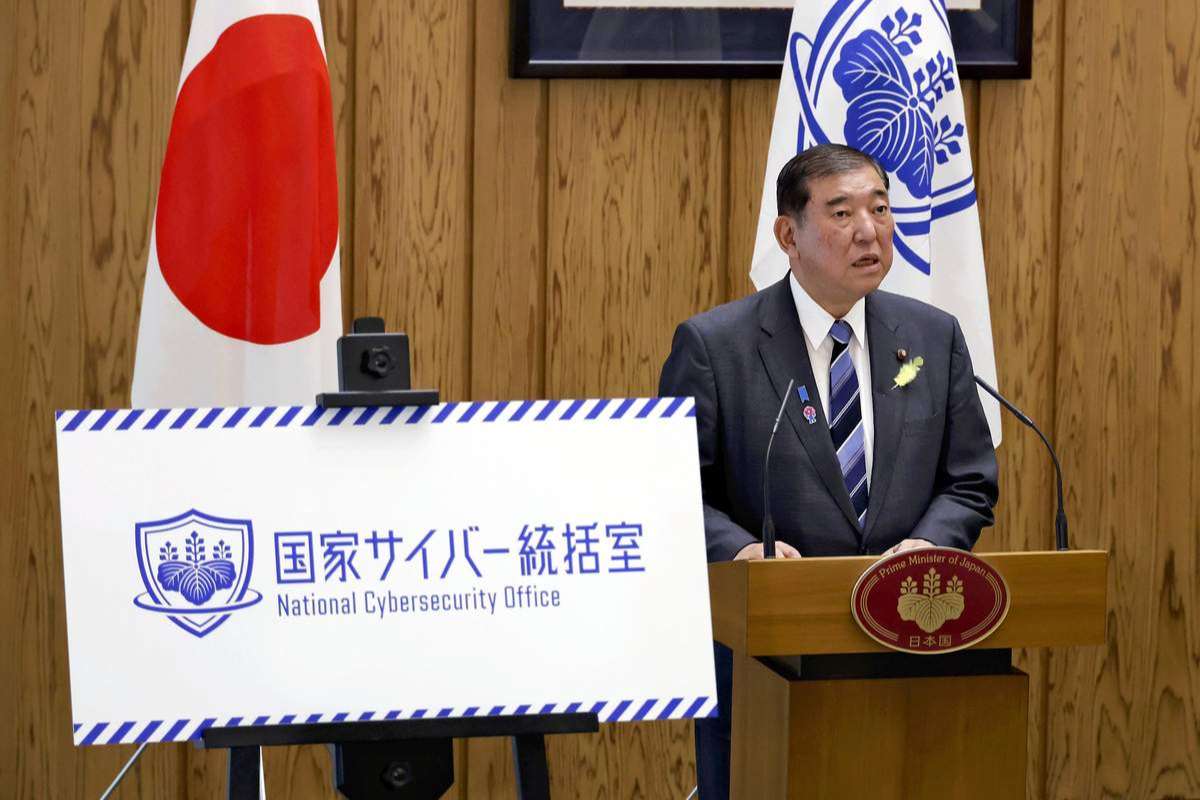
Japan Cybersecurity Risks remain a growing concern as Japan’s national cyber director said the country still trails leading global markets in its ability to defend against cyber threats. He explained that Japan must strengthen security across the corporate sector. His comments came during a cybersecurity conference in Tokyo where he highlighted growing attack volumes and widening exposure for local organizations. He said the country has begun improving its capabilities but the work is still in its early stages.
Corporate Vulnerabilities Highlight Growing Pressure
A series of breaches in recent months exposed weaknesses across several major companies, further illustrating Japan Cybersecurity Risks. A ransomware attack disrupted operations at a large beverage group. Another incident affected an e-commerce platform and caused service interruptions. A separate infection at a media company raised concerns about possible exposure of internal data. These events have increased focus on the need for stronger practices across businesses of all sizes.
At the conference the director noted that the frequency of malicious traffic has increased sharply. He said that an internet-connected device in Japan now faces unwanted communication every few seconds, reflecting the scale of Japan Cybersecurity Risks. Smaller companies remain the most at risk because they have limited staff and limited budgets for security tools. He stressed that even large organizations can have gaps that go unnoticed. He said it would not surprise him to find errors in the systems of major firms.
The director explained that the country wants to reach the standard of other advanced markets in cybersecurity readiness. He said the goal is to strengthen national coordination and improve how organizations respond to attacks. His office was created recently to support this effort and to bring more clarity to long term plans. His team is working with industry groups to raise awareness around core safeguards as Japan Cybersecurity Risks intensify.
Increase In Attacks Driving New Defensive Measures
He said Japan is seeing a steady rise in both the complexity and the volume of cyberattacks. During his remarks he pointed out that connected systems across the country face continuous probing, a trend tied directly to Japan Cybersecurity Risks. He said offensive campaigns tied to criminal groups and advanced threat actors are becoming more common. These activities place constant pressure on networks that support manufacturing logistics retail and media services.
He noted that large firms often rely on older systems that require major upgrades. Smaller firms frequently lack dedicated cybersecurity teams. This creates an environment where attackers can exploit outdated software weak passwords and unpatched devices — key drivers of Japan Cybersecurity Risks. He said that leadership teams must invest time in reviewing how their systems are structured and where the highest risks exist.
He also said that simple steps can prevent many common attacks. Multi-factor authentication and secure passwords are among the easiest ways to strengthen defenses. He said that many incidents begin with basic oversights that could have been avoided. Encouraging employees to update passwords and use stronger login methods can reduce exposure across entire organizations and reduce Japan Cybersecurity Risks.
Coordinating Strategy Across Public And Private Sectors
The director said that building a stronger cybersecurity workforce is one of the country’s largest challenges. He explained that both public offices and private companies need more trained professionals who understand modern threats. He said that developing this talent will take time and consistent investment, especially as Japan Cybersecurity Risks keep rising. He wants more people to enter the field and he believes that raising awareness will help companies adopt better habits.
He also emphasized the need for cooperation between businesses and government agencies. Sharing information about attack patterns helps organizations respond faster. He said that coordination makes it easier to identify new tactics used by threat actors. He encouraged firms to participate in public-private programs that support training and preparedness.
He said Japan is expanding partnerships within the cybersecurity community to improve its defensive posture. These partnerships help organizations align their practices with global standards. He said this progress is essential to manage the growing wave of attacks facing companies with digital operations.
Japan continues to face a steady rise in cyber incidents and its leaders are pushing for broader action across industries. The director said that practical steps and stronger coordination can create meaningful change. He encouraged organizations to focus on staff training authentication practices and system updates. He said that these measures support a safer digital environment as companies adapt to a more complex threat landscape shaped by Japan Cybersecurity Risks.
Also Read: HUB Cyber Security Positions Real Time Compliance as a New Performance Standard