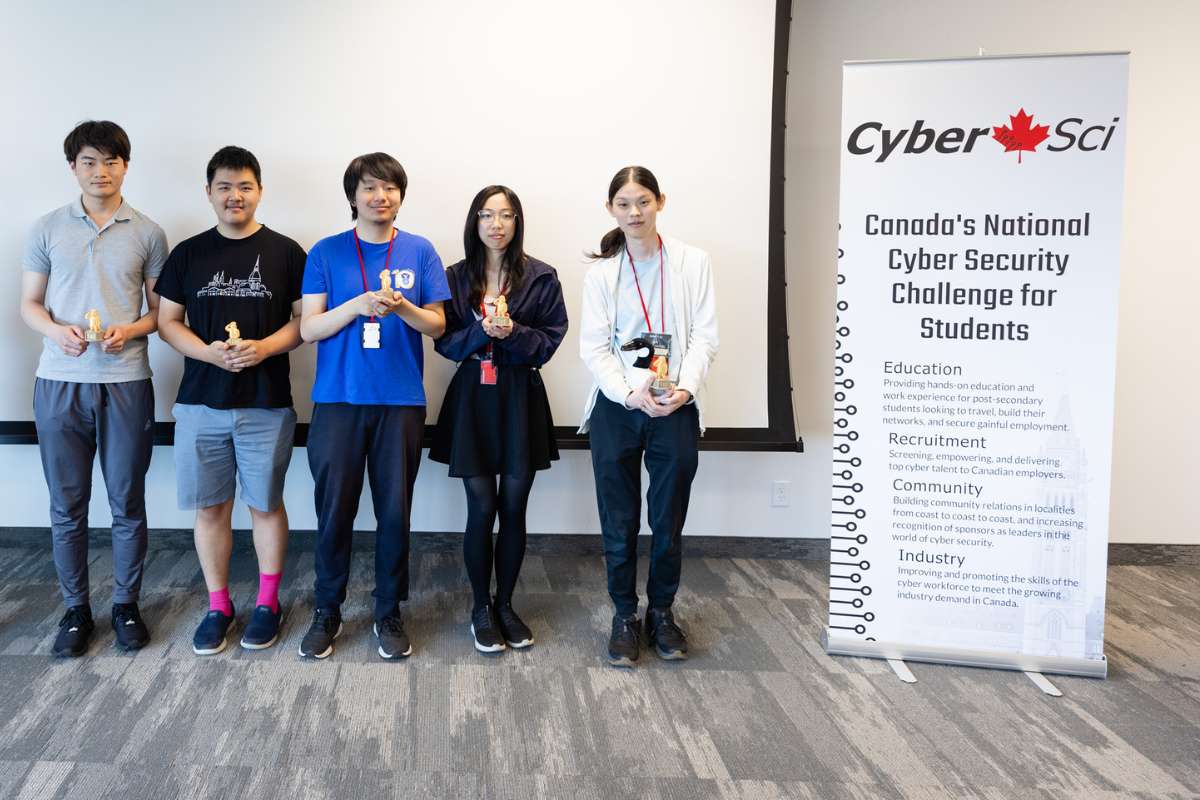
Canada is seeing a growing focus on practical cybersecurity education as institutions look for ways to prepare students for real world digital threats. One initiative drawing attention is CyberSci Canada cybersecurity, a national program that emphasizes learning through active problem solving rather than traditional classroom instruction. Founded by Tom Levasseur, a retired penetration testing lead from the Bank of Canada, the program connects students with realistic security challenges and direct exposure to industry practices.
Levasseur’s interest in cybersecurity began long before it became a formal academic discipline. While working with engineering systems at McGill University, he investigated unauthorized system access by a student hacker. That experience introduced him to early computer crime investigations and set the direction for a career that later included roles at Nortel, CGI, and the Bank of Canada. After retiring, he turned his attention to addressing what he saw as a major gap in Canada’s digital workforce.
Hands On Competitions Shaping Cyber Talent
CyberSci Canada cybersecurity, a volunteer run nonprofit that organizes university and college level cybersecurity competitions across the country. The goal is to give students hands on experience that mirrors the pressures and teamwork of real security operations. Participants work in teams to solve technical challenges that reflect common cyber incidents, including system vulnerabilities and defensive response tasks.
Each CyberSci event follows a structured format. Students spend the first part of the day tackling complex cybersecurity scenarios. Later, top performing teams meet with representatives from participating organizations. This structure allows students to demonstrate technical ability, communication skills, and problem solving under time constraints that resemble real workplace conditions.
The program now runs in major Canadian cities including Montreal, Ottawa, Toronto, Calgary, Vancouver, and Halifax. Students from nearly every university and college in Canada have taken part. Many former participants return as mentors or organizers, creating continuity and helping new students learn from peers with recent experience.
CyberSci Canada cybersecurity also serves as a pathway to international competition. Canadian teams selected through the program represent the country at the European Cyber Security Challenge. Despite limited funding, these teams have delivered strong performances, suggesting that practical preparation can compete effectively on a global stage.
Early Exposure and the Future of Cyber Learning
Early engagement plays a major role in the program’s success. High school competitions such as Cyber Titan introduce students to cybersecurity concepts before they reach university. By the time these students enter higher education, many already have years of experience gained through clubs, competitions, and independent practice. This early start often leads to rapid improvement in institutional performance.
Student led cyber clubs further strengthen this ecosystem. Small groups meeting regularly can influence curriculum focus, peer learning, and overall interest in cybersecurity. According to Levasseur, these grassroots efforts often mirror real security teams more closely than lecture based courses.
The growing presence of artificial intelligence has introduced new questions into cybersecurity education. Competition organizers continue to debate how AI tools should be handled in student challenges. Options include full access, limited usage, or restrictions that emphasize human decision-making. Levasseur expects future events to reflect real industry environments by supporting both human focused and AI assisted approaches.
Looking ahead, CyberSci Canada cybersecurity aims to expand into industrial control systems and operational technology. These systems support essential services such as water, energy, and transportation and require specialized security knowledge. Offering students exposure to these environments is seen as a critical step in preparing them for emerging threats.
As cyber risks grow in scale and complexity, initiatives like CyberSci show how experience driven education can support formal learning. By prioritizing practice, teamwork, and early engagement, CyberSci Canada cybersecurity continues to shape how Canadian students develop cybersecurity skills.