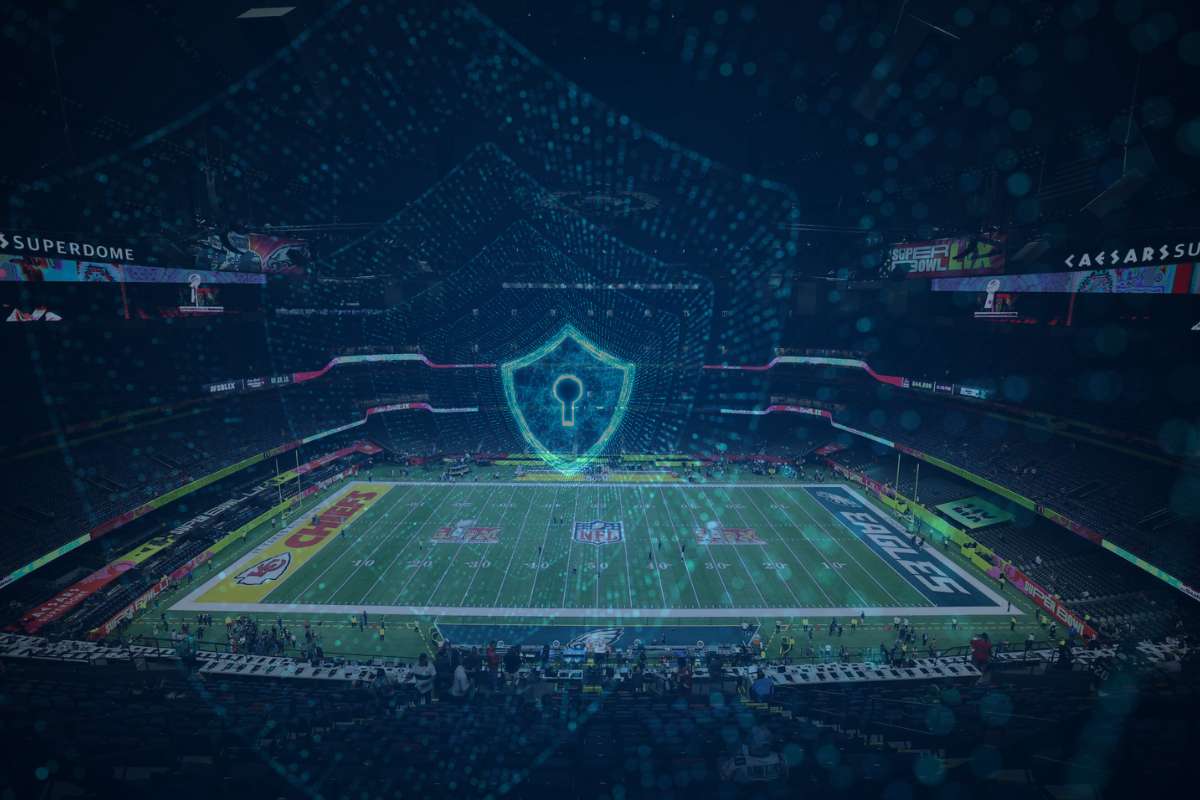
As preparations continue for Super Bowl 2026, Super Bowl security has become a central concern alongside physical safety and operations. Event planners are placing strong emphasis on cyber resilience as artificial intelligence driven threats grow more advanced and harder to detect. The scale of the Super Bowl, combined with its deep reliance on digital systems, has made cybersecurity a core part of planning.
The event is among the most connected live spectacles in the world. Millions of fans, broadcasters, sponsors, and service providers rely on shared digital infrastructure before, during, and after game day. This level of connectivity increases efficiency but also expands exposure to cyber risks, especially those linked to artificial intelligence.
Digital Infrastructure Expands the Attack Surface
Modern Super Bowl operations extend far beyond the stadium, creating new challenges for Super Bowl security. Ticket access, payments, merchandise sales, transportation, and fan engagement depend on interconnected platforms. Mobile apps manage entry and navigation. Cashless systems handle transactions at scale. Real time data supports crowd flow, staffing, and logistics.
This digital dependence increases vulnerability. Super Bowl security teams note that artificial intelligence allows threat actors to automate scanning, mimic legitimate user behavior, and adapt quickly to defenses. Unlike traditional attacks, AI-based activity can run continuously and refine itself in response to detection efforts.
The visibility of the Super Bowl also raises risk levels. Even a brief disruption to digital services could affect global broadcasts, online platforms, and consumer trust. Analysts point out that the symbolic value of the event increases its appeal to cyber actors seeking attention or impact.
Coordinated Monitoring and Defensive Technology
To address these risks, organizers have expanded coordination with national agencies, technology partners, and private cybersecurity firms. Shared monitoring centers track network traffic, system performance, and external threat indicators. The goal is early detection and rapid containment of suspicious activity.
Broadcast systems receive particular attention. The Super Bowl broadcast network spans satellites, fiber connections, and streaming platforms worldwide. Any interference could disrupt coverage for hundreds of millions of viewers. Security teams have isolated critical systems and applied layered controls to limit access and reduce exposure.
Fan data protection is another critical component of Super Bowl security. Digital tickets, mobile payments, and online services involve high volumes of personal and financial information. Officials stress that preventing data compromise is essential to maintaining trust and ensuring smooth operations throughout the event.
Artificial intelligence is also being used defensively. AI-driven analytics monitor behavior patterns across networks and flag anomalies in real time. These tools can detect subtle indicators of compromise faster than manual review, helping teams respond before issues escalate.
Lessons From Past Events Shape Planning
Cybersecurity planning for major sporting events has evolved over the past two decades. Early incidents focused on simple website disruption or ticket fraud. Over time, attacks grew more complex, targeting broadcasts, data systems, and payment platforms.
The rise of artificial intelligence marked a major shift. Automation increased the speed, scale, and persistence of cyber activity. As a result, planners now treat AI-driven threats as strategic risks rather than isolated technical problems.
For Super Bowl 2026, organizers have applied lessons from previous international tournaments and large sporting events. Preparation includes scenario testing, system redundancy, and real time response drills. The focus is not only on prevention but also on resilience, ensuring systems continue to function under stress.
Staff training plays a key role in Super Bowl security. Event personnel, vendors, and partners receive guidance on secure practices and how to report suspicious behavior. Human awareness remains critical, especially in environments where many users have varying levels of system access.
As the event approaches, Super Bowl security teams express confidence in the layered defenses now in place. Continuous testing and coordination aim to reduce risk while supporting seamless digital operations. The measures developed for Super Bowl 2026 are expected to influence cybersecurity planning for future global events, reflecting a broader shift toward proactive defense in an increasingly automated threat landscape.