Key Takeaways:
- Researchers claim smart televisions collect extensive audio and network data.
- Investigations reveal devices can capture audio while in standby mode.
- LG strongly rejects the LG Smart TV Privacy allegations regarding ambient conversation recordings.
Researchers accused electronics maker LG this week of severe privacy violations after finding that smart television models gathered local network data and captured microphone audio during standby mode.
Researchers Expose Smart TV Data Collection Practices
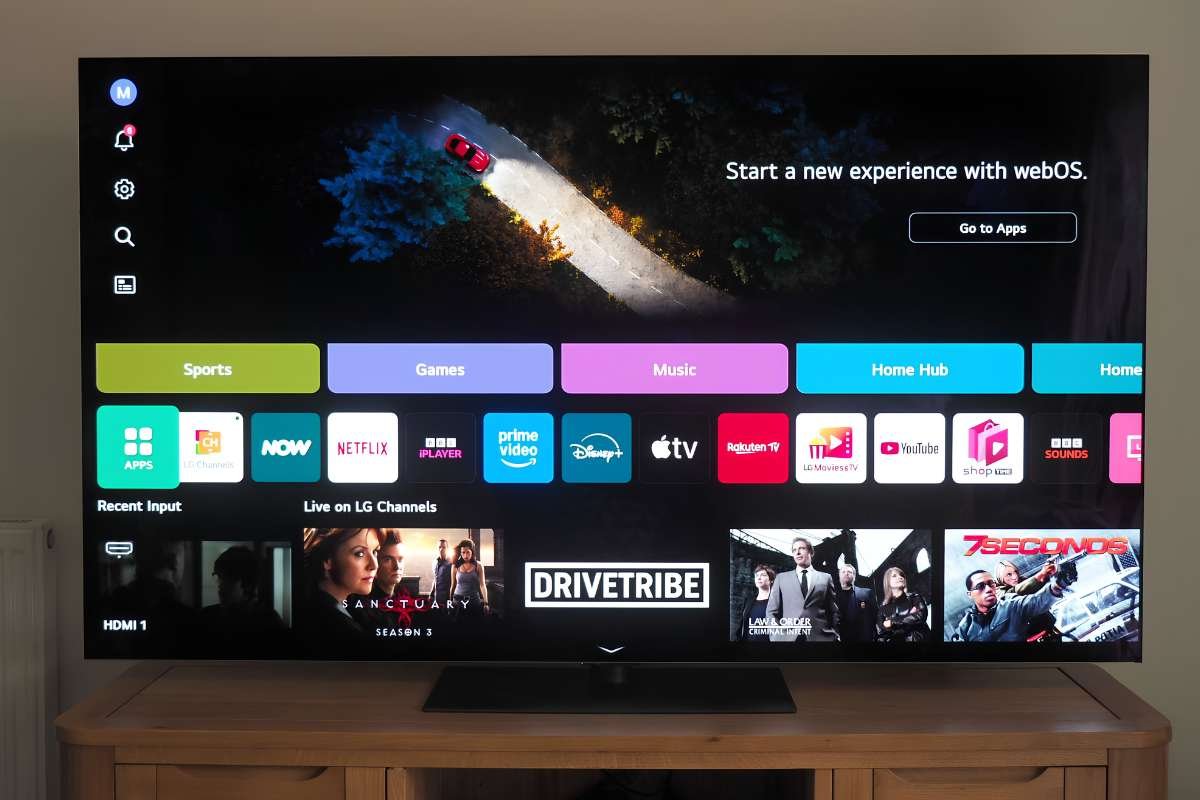
A detailed investigation into LG Smart TV Privacy conducted by security researchers at Gamers Nexus and Level1Techs uncovered unexpected and concerning network behavior in recent LG OLED televisions.
The investigative team examined flagship consumer models and discovered that the devices actively scanned local network environments to collect specific details about nearby wireless routers, smartphones, and connected home gadgets.
This background scanning operation creates detailed digital inventories of surrounding personal devices without providing any clear notification or option for users to opt out.
The technical analysis utilized detailed packet captures and firmware checks to inspect precisely how the hardware communicates with external corporate servers. Security experts noted that combining this collected network information with other advertising identifiers can easily help companies build invasive profiles of daily household habits and user routines.
Investigators reported these critical security vulnerabilities to the manufacturer while continuing their technical evaluation to protect consumer safety.
Investigation Demonstrates Standby Audio Recording Risks
The investigative team also demonstrated that compromised televisions could successfully record room audio through built-in microphones even when the display screens appeared completely powered down.
During controlled laboratory tests related to LG Smart TV Privacy, the devices stored audio locally when internet connections were temporarily disabled and subsequently uploaded the recorded data once network access was fully restored. This capability raises significant security and privacy concerns for sensitive environments such as corporate conference rooms, government offices, and residential spaces.
Experts explained that remote code execution flaws discovered in the webOS software could give malicious cyber actors a dangerous backdoor into the system.
An attacker might exploit these specific software weaknesses to gain unauthorized control over the television microphone and probe other connected devices sharing the same local network. Such severe risks transform a standard household display into a potential security hazard for corporate networks and everyday users alike.
Electronics Company Rejects Privacy Breach Allegations
Electronics manufacturer LG strongly denied the central LG Smart TV Privacy claims made by the technology researchers regarding unauthorized ambient surveillance. In official statements released to the public, company representatives insisted that their consumer televisions do not record or store conversations happening inside rooms.
They clarified that voice data is only processed when users press the remote control button or speak specific wake words to activate features.
The company also explained that network discovery functions are entirely standard features required for smart home connectivity and device pairing. Furthermore, this privacy controversy arrives shortly after prior regulatory scrutiny regarding automatic content recognition technology used to track viewing habits for targeted advertisements.
Consumers and industry professionals continue debating the complex balance between smart device convenience and personal digital privacy.
Visit CyberPro Magazine to read more.