Key Takeaways:
- Suspected Russian threat groups target important individuals across Western nations.
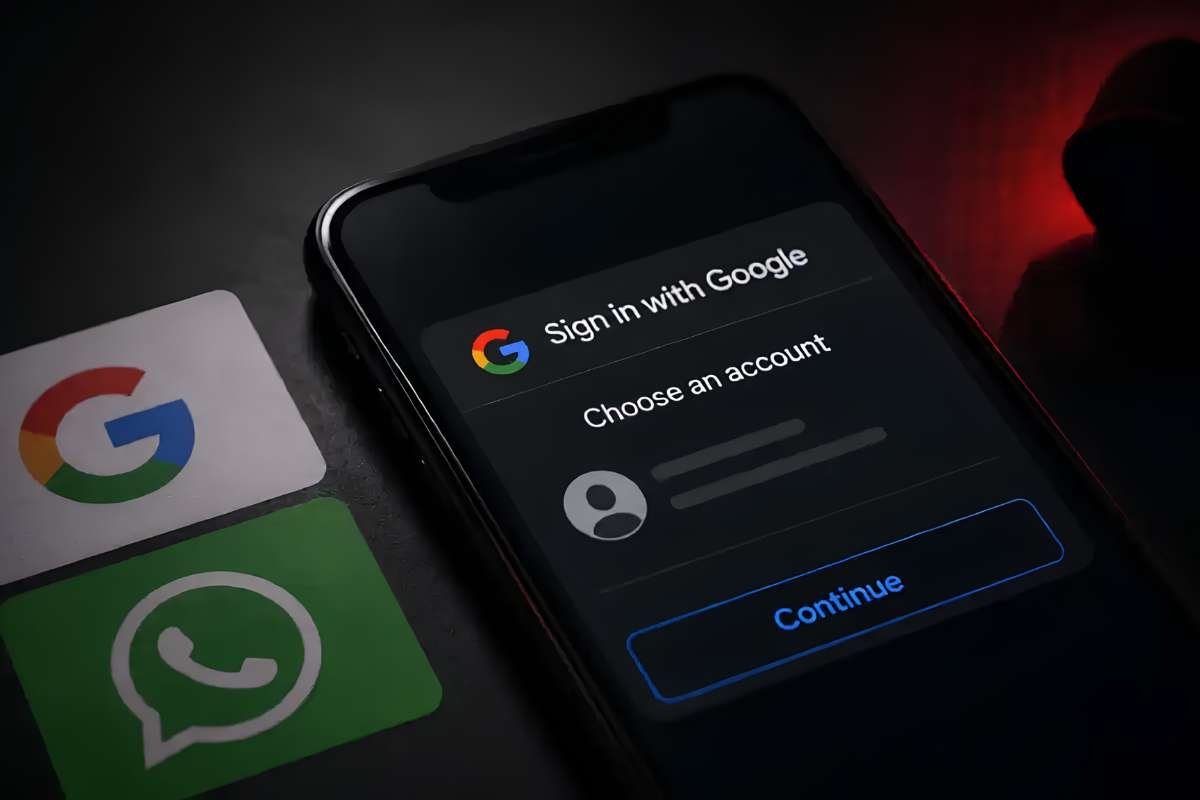
- Attackers abuse legitimate Google OAuth and WhatsApp linking to steal accounts.
- Campaigns focus heavily on government, defense, aerospace, and academic sectors worldwide.
In August 2026, security researchers revealed that suspected Russian cyber espionage groups are abusing Google OAuth and WhatsApp linking across the United States and Europe to hijack sensitive target accounts.
Hackers Abuse Google OAuth and WhatsApp to Hijack Accounts
Three distinct clusters of suspected Russian cyber espionage threats use legitimate authentication flows to single out high-profile individuals. These malicious actors target professionals working in government agencies, aerospace, defense, academia, and think tanks across the United States and Europe. The campaigns rely on clever technical tricks to bypass standard security barriers without raising immediate alarms.
As recently as June 2026, security observers watched threat actors conduct sophisticated OAuth phishing attacks linked to Russian cyber espionage activity against high-value targets. Attackers ask targets to share verification codes after they have successfully logged in to external providers. Once victims supply the requested codes, hackers gain direct access to their private enterprise accounts.
Another threat group named UNC7005 executed social engineering operations by spoofing popular messaging applications like WhatsApp. The malicious phishing pages lure targets into linking their WhatsApp accounts with devices controlled directly by the hackers. Victims receive urgent prompts to join secure calls or download files that execute malicious code behind the scenes.
Threat Groups Target Government and Defense Sectors
The operational focus of these Russian cyber espionage campaigns centers primarily on military, aerospace, defense industrial bases, and nongovernmental organizations globally. Much of the geographic targeting focuses heavily on Ukraine and Armenia, alongside key partners across Western Europe and the United States. Adversaries spend weeks studying their targets before launching tailored digital assaults.
Around May 2026, UNC7005 added commodity infostealers like Vidar and Atomic to siphon sensitive data from Windows and macOS hosts. These dangerous tools target academics, diplomats, and researchers focused on Russia and former Soviet states. The attackers send phishing emails containing deceptive links to fake summit web pages.
Users who visit these fake domains receive prompts to download companion applications to read resolution documents. These fraudulent methods help adversaries gather sensitive information and maintain persistent access to compromised environments. Security teams track these evolving tactics closely to protect vulnerable corporate networks from total compromise.
Security Teams Disrupt Malicious Infrastructure and Domains
Google security teams successfully disrupted malicious infrastructure associated with these Russian cyber espionage campaigns. The threat actor known as UNC5976 created at least 12 new domains and related infrastructure since March 2026. Swift disruptions by major technology platforms forced adversaries to pivot toward other external hosting providers.
Despite these ongoing disruptions, threat groups continue to adapt their tradecraft to bypass modern digital defenses. Security researchers emphasize that vigilance and multi-factor authentication remain crucial for defending enterprise networks against sophisticated state-sponsored adversaries. Organizations must monitor external login flows and authentication tokens to prevent unauthorized account takeovers.