Key Takeaways:
- T-Mobile security personnel physically severed a network cable to stop hackers.
- The Salt Typhoon espionage campaign targeted major telecommunications providers across the country.
- Executives confirmed that customer calls and text messages remained fully secure.
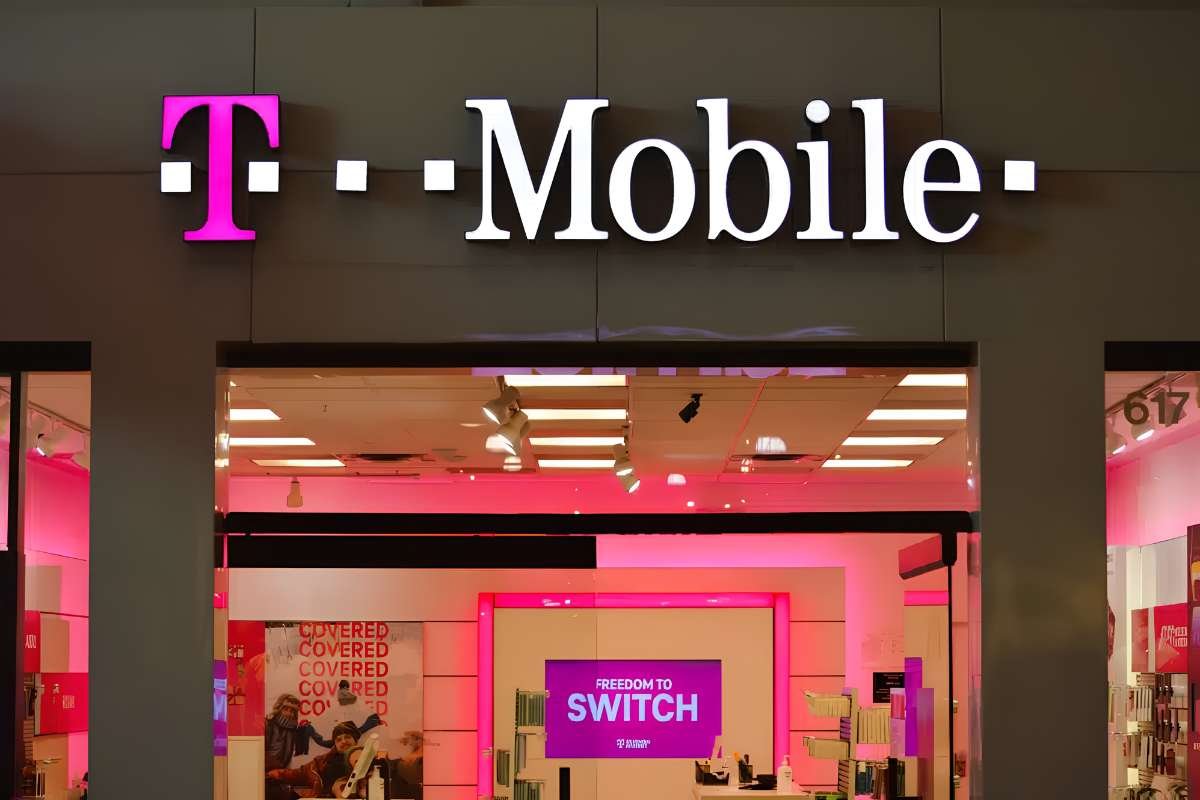
In 2024, T-Mobile security staff in Bellevue, Washington, physically cut a network cable to remove Chinese hackers from company systems and protect sensitive user data during a massive telecommunications espionage campaign.
Security Team Cuts Cable to Evict Hackers
T-Mobile cybersecurity personnel took direct physical action to protect vital company infrastructure after months of exhaustive internal investigations. Chief Security Officer Jeff Simon led a small T-Mobile security technical team directly to a data center facility located in Washington. They carefully located the compromised hardware unit linked to ongoing external intrusion activity.
Instead of relying purely on software tools, team members used ordinary scissors to cut the physical network cable. This crude method immediately severed outside connections and stopped unauthorized access to the network nodes. Company leaders praised the swift intervention for preventing a much wider corporate breach nationwide.
The unusual physical response highlights how severe the digital threat had become for major wireless carriers. Investigators noted that software isolation techniques often take too long during active state-sponsored cyberattacks. By taking matters into their own hands, the internal security staff successfully neutralized the dangerous threat immediately.
Espionage Campaign Targets U.S. Telecom Networks
The dramatic incident occurred amid a sprawling cyber espionage operation attributed to a group called Salt Typhoon. Investigators link this threat group directly to the Chinese government and state intelligence networks. The widespread campaign compromised numerous telecommunications and internet infrastructure providers throughout the United States, prompting heightened concerns around T-Mobile security.
Hacker teams targeted external routers and lawful intercept systems originally built for legal wiretaps. Attackers used these operational gaps to harvest call logs and sensitive metadata from corporate servers. Major mobile carriers including AT&T, Verizon, and Lumen faced similar security intrusions during the operation.
Federal law enforcement agencies revealed that hundreds of corporate and government targets suffered breaches across multiple nations. Foreign intelligence operatives focused heavily on gathering private communications tied to prominent political figures and high-ranking officials. The massive scale of the intrusion forced federal regulators to reevaluate national cybersecurity standards.
Carriers Protect Sensitive Customer Information
Federal officials and private carriers launched extensive reviews following the widespread industry breaches. T-Mobile security teams worked around the clock to audit network vulnerabilities and patch exposed hardware systems. Industry experts continue to evaluate the long-term impact of these foreign intelligence operations on national infrastructure.
T-Mobile representatives confirmed that customer calls, text messages, and voicemails remained safe from unauthorized viewing. Investigators warn that foreign actors may have maintained access to certain network segments for extended periods. Government agencies are now tightening security rules for all telecommunications providers to prevent future attacks.
Independent cybersecurity researchers continue to monitor ongoing risks tied to unpatched edge devices across enterprise networks. Companies must upgrade their digital defenses to withstand sophisticated foreign intelligence operations. Strong collaboration between private industry and government agencies remains essential for protecting public communication networks.
Visit CyberPro Magazine For The Most Recent Information.