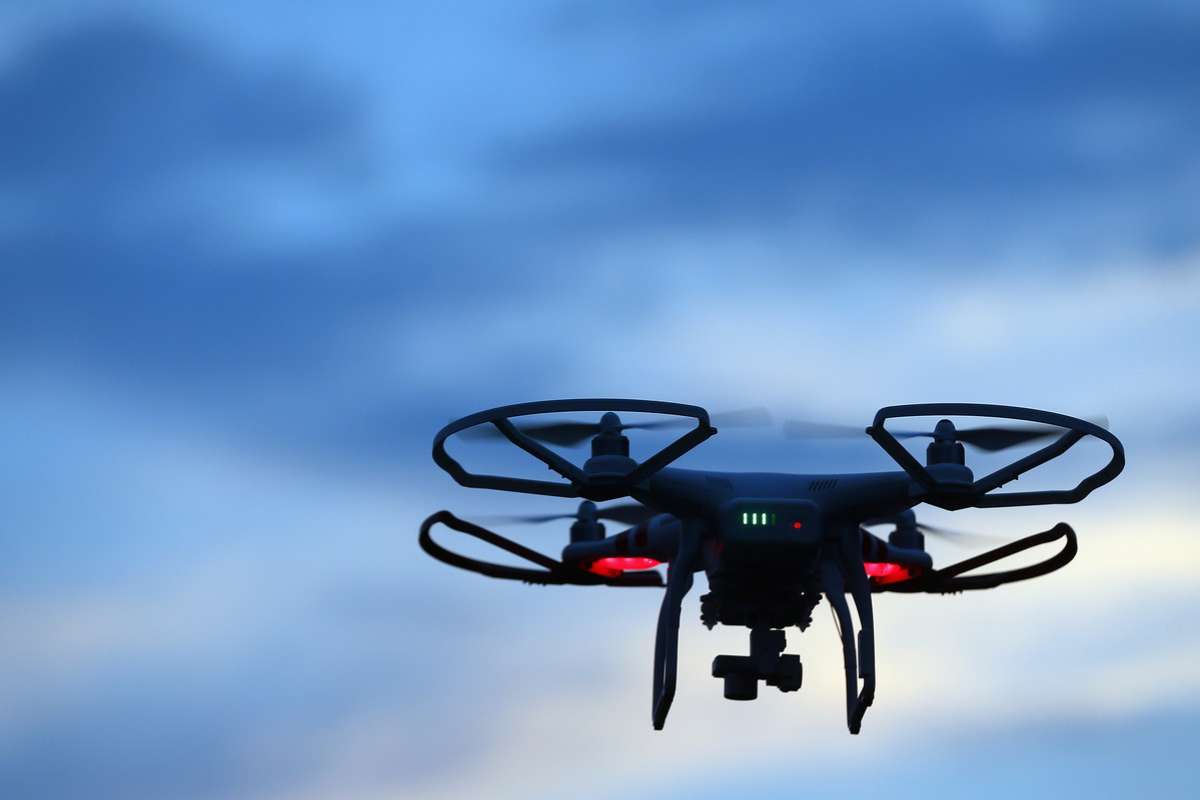
The US Federal Communications Commission has moved to block the sale and import of new foreign-made drones and key components, citing cybersecurity and digital security risks tied to uncrewed aircraft systems. The decision, part of the broader US drone ban, adds these drones and parts to the FCC’s covered list, a classification used for technologies viewed as posing unacceptable risks to communications networks, data integrity, and public safety systems.
The order applies only to new products entering the US market. Drones and components already sold and in use are not affected. The FCC said the move reflects growing concerns about how network connected aerial systems can collect, transmit, or expose sensitive data if security controls are weak or compromised.
Cyber Risks Linked to Connected Drone Systems
Modern drones rely heavily on wireless communications, cloud platforms, and software updates to function. These connections allow operators to stream video, collect sensor data, and manage fleets remotely. Cybersecurity experts have long warned that weaknesses in these systems can create pathways for unauthorized access, data interception, or manipulation of flight controlsrisks cited by regulators in support of the US drone ban.
The FCC noted that uncrewed aircraft systems increasingly operate near critical infrastructure, public venues, and emergency response zones. In such environments, unsecured or opaque data flows could expose location data, imagery, or network information. The commission said limiting the entry of certain foreign made systems under the US drone ban is intended to reduce the risk of large scale cyber incidents tied to aerial technologies.
The decision also reflects concerns about supply chain visibility. When hardware, firmware, and software are developed across multiple jurisdictions, verifying how data is handled becomes more complex. Cyber resilience, according to the FCC, depends on stronger oversight of how connected devices interact with US communications networks.
Impact on the Drone Technology Market
The restriction is expected to affect manufacturers whose drones or components fall under the covered list criteria. While the FCC did not publish a full technical breakdown of affected models, the order targets systems and parts that connect directly to communications infrastructure or rely on external network services.
DJI, one of the world’s largest drone makers, said it was disappointed by the decision. A company spokesperson stated that DJI products have undergone reviews by government agencies and independent organizations and described them as secure and reliable. The company emphasized its support for open markets and said it would continue engaging with regulators as the US drone ban takes effect on new products.
From a cybersecurity perspective, the decision may accelerate investment in domestic drone manufacturing and secure by design platforms. US based developers have increasingly focused on encrypted communications, on device data processing, and transparent update mechanisms to address security concerns from enterprise and public sector users.
Focus on Secure Airspace and Digital Resilience
The FCC highlighted the growing need to protect US airspace as drone usage expands across logistics, media, agriculture, and emergency services. Large public events and dense urban areas present additional challenges, where compromised drones could disrupt communications or expose sensitive operational data.
By restricting new foreign made systems, the commission aims to strengthen the resilience of the drone ecosystem at the network level. This includes reducing reliance on technologies that may not align with US cybersecurity standards or best practices for data governance.
The move also aligns with broader efforts to secure connected devices across industries. Drones are increasingly viewed not just as aircraft, but as mobile network nodes that interact with wireless spectrum, cloud platforms, and enterprise systems. As a result, their security posture has implications beyond aviation.
For operators, educators, and technology professionals, the decision underscores the importance of understanding how drone systems handle data, authenticate users, and receive updates. Cybersecurity has become a central factor in evaluating aerial technologies, alongside performance and cost.
The FCC said it will continue monitoring emerging risks as drone capabilities evolve. As uncrewed systems become more autonomous and software driven, the agency said cybersecurity considerations will remain central to decisions tied to the US drone ban.
Visit CyberPro Magazine For The Most Recent Information.