
We often discuss IT and the threats it faces; today, let’s talk about OT. And no, OT does not stand for Operation Theatre, at least not in cybersecurity. Here, OT stands for Operational Technology.
Operational Technology is an umbrella term for all types of practices and technologies designed to protect and maintain management systems. Having a functional OT security ensures your workflow isn’t interrupted.
In this blog, we will look at all the OT security threats and how they affect your workflow. And we will also find practical solutions to save your OT from them. But first, let’s understand what OT is.
Understanding OT Security Threats in Modern Industrial Environments
NIST defines OT as “hardware and software that detects or causes a change through the direct monitoring and/or control of physical devices, processes, and events in the enterprise.”
Operational Technology (OT) manages physical actions. It is the hardware and software that control machines, pumps, and valves. If OT fails, a power plant could shut down, or a water pump could stop working.
In IT, the biggest worry is usually privacy, but in OT, the biggest worry is safety. Because OT controls physical equipment, a mistake or a hack could lead to physical damage, fires, or even environmental disasters.
This definition appears across NIST SP 800-37 Rev. 2, NIST SP 800-82r3, and NIST SP 800-160 Vol. 2 Rev. 1. The examples include industrial control systems (ICS), building management systems, fire control systems, and physical access controls.
The Difference between IT and OT:
Information Technology (IT) manages data. It’s the world of emails, spreadsheets, and websites. If IT fails, your screen might freeze, or a file might get lost. Whereas operational Technology (OT) manages physical actions. It is the hardware and software that control machines, pumps, and valves. If OT fails, a power plant could shut down, or a water pump could stop working.
Here’s a better look at their difference:
| IT (Information Technology) | Vs | OT (Operational Technology) |
|---|---|---|
| Manages business data, applications, and information systems | Purpose & Focus | Controls physical processes, machinery, PLCs, and industrial operations |
| Supports decision-making, data confidentiality, and productivity | Primary Goal | Ensures safety, reliability, and continuous production |
| Office and enterprise environments | Operating Environment | Industrial, manufacturing, energy, and utility environments |
| Uses standard operating systems (Windows, Linux, macOS) | Systems & Platforms | Uses proprietary or legacy hardware and software |
| Frequent updates and regular patching cycles | Update Approach | Patching is minimized to avoid downtime or production stoppage |
| Internet-connected and cloud-integrated | Connectivity | Often isolated or air-gapped, with limited external connectivity |
| Processes structured and unstructured historical data | Data Handling | Relies on real-time data for immediate control and response |
| High number of access points and users | Attack Surface | Limited access points but high-impact targets |
| The main risk is data breaches and information theft | Primary Risk | Physical damage, safety incidents, outages, or environmental harm |
Now that we know what OT is and how it is different from IT, let’s talk about OT security and the threats it faces.
The Role of OT Security in Industrial Resilience
OT security is the wall that protects industrial control systems. Think of it as a hardware that manages physical processes from cyber threats. It ensures safety, reliability, and uptime in environments like manufacturing and energy.
It involves network monitoring, access controls, and threat detection. These systems are designed for legacy equipment in harsh settings. Practices include segmentation and zero-trust. The system uses real-time anomaly detection to block malware and unauthorized changes.
Here are 10 threats it faces:
OT Security Threats in Action: Lessons from 10 Real-World Attacks
Now, we will talk about 10 security threats with real-world examples to help you understand the impact.
1. Ransomware Attacks
Ransomware is malicious software that locks your files or computer system. Attackers demand a payment (ransom), usually in cryptocurrency, to restore access. If you do not pay, your data might be lost or leaked. Always back up your important files and be cautious about suspicious emails or downloads to prevent these attacks. Ransomware is one of the most dangerous OT security threats, encrypting systems and halting operations.
Real World Example:
Colonial Pipeline (2021): DarkSide ransomware hit the US fuel pipeline operator. This led to a shutdown in operations for days. Attackers exploited a leaked VPN password, encrypting systems and stealing data. Fuel shortages ensued across the East Coast. As a result, it prompted a $4.4M ransom payment; the FBI later recovered part via Bitcoin seizure. Recovery took weeks, highlighting OT downtime risks.
2. Water Treatment Manipulation
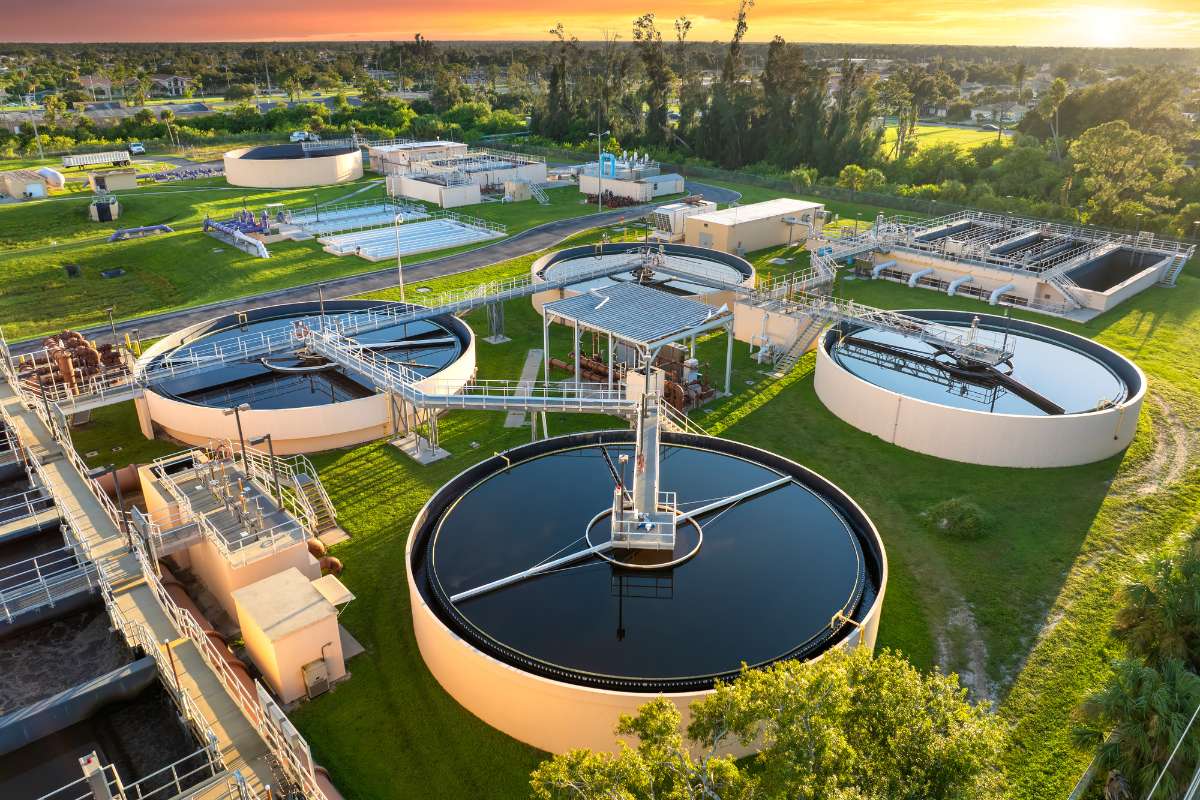
Water treatment manipulation is when someone intentionally interferes with the water treatment process. Attackers may tamper with chemicals, machinery, or control systems of water systems. This action aims to disrupt the supply or make the water unsafe to drink. To protect public water systems from sabotage, we must take proper security measures.
Real World Example:
Oldsmar, Florida (2021): A hacker remotely accessed the water plant’s TeamViewer session. They raised sodium hydroxide (lye) levels from 100ppm to 11,100ppm via an unprotected SCADA system. An operator spotted the change in real-time, averting poisoning. Exposed remote access and weak passwords enabled the breach.
3. Targeted ICS Malware
Targeted Industrial Control System (ICS) malware is a harmful software specifically designed to attack factory or utility control networks. These systems manage critical processes such as power grids or water treatment. The malware seeks to cause physical damage by sending bad commands to machinery. Examples of these OT security threats include Stuxnet and Industroyer, which aim to disrupt essential infrastructure.
Real World Example:
TRITON/TRISIS (2017): In a Saudi petrochemical plant, attackers deployed custom malware targeting Triconex safety instrumented systems (SIS). It aimed to disable safety mechanisms, risking explosion. Discovered before detonation, it showed nation-state sophistication in manipulating Schneider Electric controllers for physical sabotage.
4. Power Grid Disruption

A power grid disruption means a failure in the system that delivers electricity to homes and businesses. This event can result from various reasons. The issue can arise from physical damage, harsh weather conditions, or cyberattacks targeting control systems. Disruptions cause power outages, which halt services. Protecting the grid requires strong physical and digital defenses to ensure reliable electricity.
Real World Example:
Ukraine Power Grid (2015): Hackers used BlackEnergy malware on three energy firms, remotely opening breakers via KillDisk wiper. Over 230,000 customers lost power for hours in winter. Phishing emails granted initial access, demonstrating SCADA vulnerability to coordinated outages.
5. Exposed ICS Devices
Exposed Industrial Control System (ICS) devices are essential machines that are accessible from the internet without proper security. These devices manage industrial operations. This exposure happens due to configuration errors or weak network boundaries. Attackers can easily find these devices and take control of critical infrastructure. It makes the devices severe OT security threats.
Real World Example:
Aliquippa Water Authority (2023): Iranian Islamic Revolutionary Guard Corps (IRGC) defaced Unitronics PLCs at a Pennsylvania plant with anti-Israel messages. Internet-exposed devices allowed unauthorized changes to HMI interfaces. No process harm occurred, but it exposed risks to water utilities from unpatched, web-facing controllers.
6. Manufacturing Ransomware

Manufacturing ransomware is a type of malicious software that targets production facilities. Attackers encrypt or lock down the operational technology (OT) systems that run assembly lines and robots. This action immediately stops production. The worst part is that it can lead to financial losses. Companies must pay a ransom to resume operations. Strong network security and offline backups protect the factory floor.
Real World Example:
Bridgestone (2022): Hive ransomware encrypted OT and IT systems across Thailand facilities, halting tire production. Attackers exfiltrated data before encryption, demanding ransom. Operations paused for weeks, costing millions; it spread via unsegmented networks, underscoring supply chain halt risks.
7. Semiconductor Shutdown
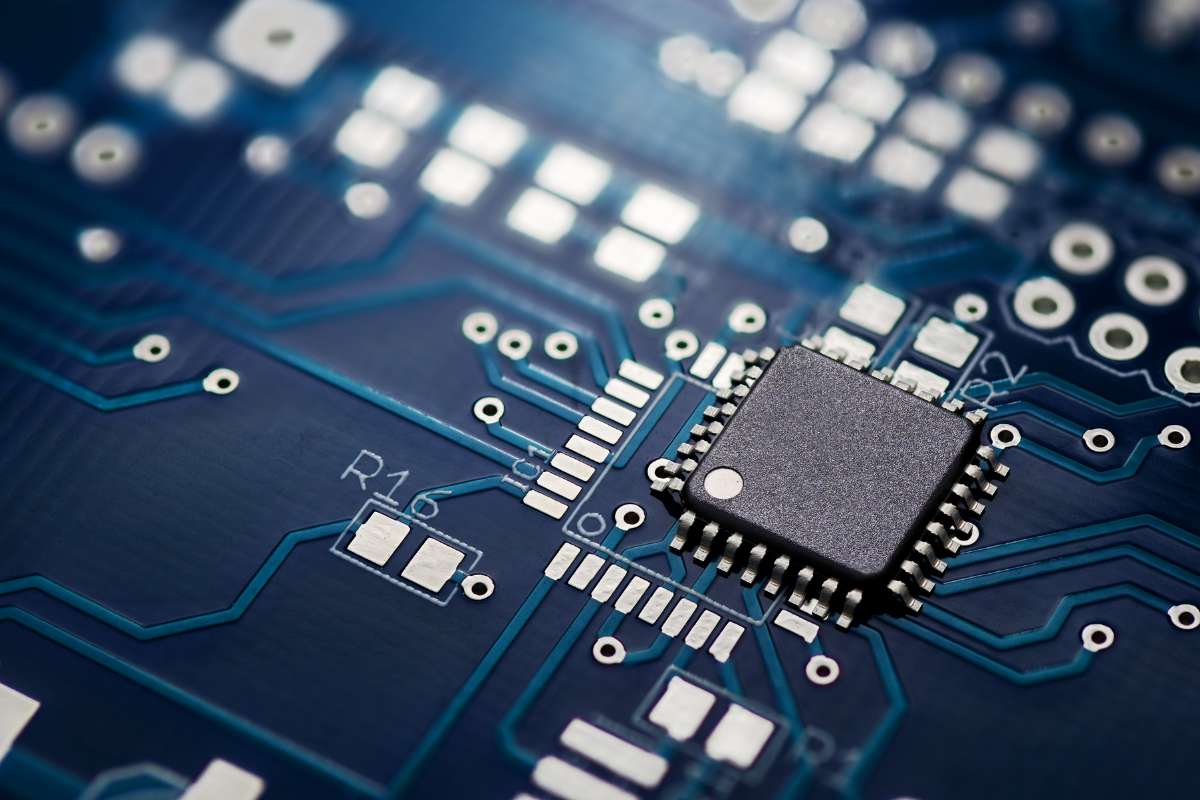
A semiconductor shutdown occurs when a factory shuts down the production lines due to a computer error. Shutdowns can result from various reasons, including natural disasters, power outages, or disruptions in the supply chain. Because chips are complex and take months to build, even a short stop causes massive delays. A shutdown ripples through the global economy, leading to shortages of cars, smartphones, and medical tools.
Real World Example:
Tower Semiconductor (2020): Ransomware forced halt of Israeli chip manufacturing plants. Attackers encrypted critical systems; the firm paid around $250K in Bitcoin to decrypt and resume. Preventive shutdown contained the spread, but revealed legacy OT exposure to crypto-locking malware.
8. Energy Ransomware

Energy ransomware targets companies that provide oil, gas, or electricity. Attackers lock down the computer systems used to manage pipelines or power plants. These strikes can force companies to shut down operations to contain the threat. Such disruptions lead to fuel shortages and higher prices for consumers. Energy firms must use robust digital locks and closely monitor their networks to prevent these dangerous attacks. Energy-sector OT security threats can impact fuel availability and pricing.
Real World Example:
Tata Power (2022): Hive group attacked India’s largest power firm, encrypting IT/OT data and exfiltrating employee records, financial statements, and keys. No grid impact, but dark web leaks followed non-payment. Initial IT breach lateralized to OT edges.
9. Steel Plant Sabotage
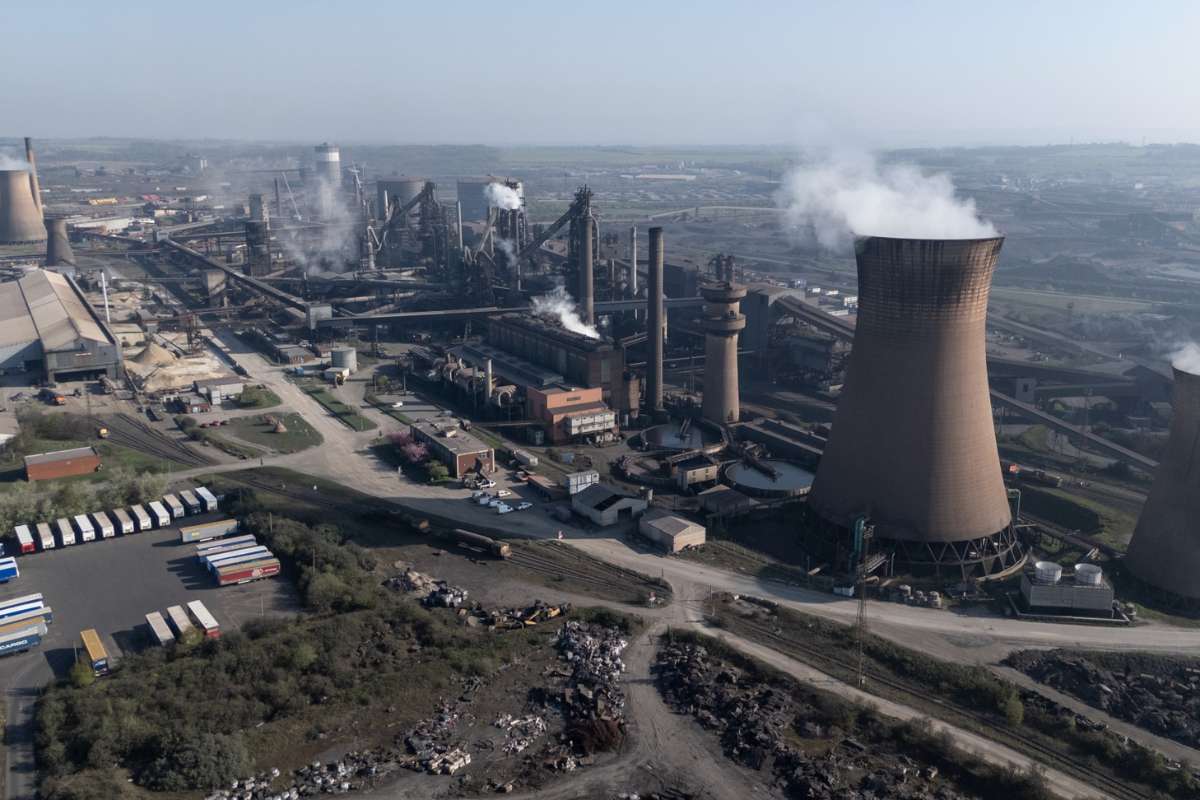
Steel plant sabotage occurs when someone intentionally damages the systems used to create steel. Attackers often use cyber methods to target blast furnaces or heavy machinery. They can cause equipment to overheat or fail by sending the wrong commands, which can lead to physical destruction. These attacks stop production and can create dangerous fires. Robust digital security is necessary to prevent catastrophic damage to these critical industrial facilities.
Real World Example:
German Steel Mill (2014): Attackers manipulated furnace controls of the steel mill, causing massive physical damage. They bypassed IT-OT segmentation for precise process disruption with the help of phishing. Required deep ICS knowledge; highlighted potential for lethal industrial sabotage.
10. Railway Ransomware

Railway ransomware targets the computer systems that manage trains and tracks. Attackers lock the software used for scheduling, ticketing, or signaling. It can force trains to stop, causing massive delays for passengers and freight. While safety systems usually prevent crashes, the business and logistics side can remain paralyzed for days. Rail companies must use isolated networks and regularly update to protect their vital transportation services from these digital threats.
Real World Example:
Danish State Railways (2022): Ransomware disrupted DSB’s ticketing and operations, encrypting systems. Services were halted briefly; attackers demanded payment. They threatened to expose remote access flaws in transport OT, risking the safety signals.
Preventive Measures Every Organization Should Take for OT Security
Let’s talk about some preventive steps you can take to protect your company from these threats. Here are 10 ways to do so:
- Conduct Asset Inventory: Catalog all OT devices, PLCs, and SCADA systems to identify vulnerabilities and prioritize defenses.
- Implement Network Segmentation: Isolate OT from IT networks using firewalls and DMZs to block lateral threat movement.
- Enforce Least Privilege Access: Use RBAC and MFA to limit user and device permissions, reducing unauthorized entry risks.
- Apply Regular Patching: Test and deploy updates for legacy systems in controlled environments to close exploits without downtime.
- Deploy Continuous Monitoring: Use IDPS and SIEM tools for real-time anomaly detection in OT traffic and events.
- Secure Remote Access: Require approval for connections, use VPNs with MFA, and avoid default credentials.
- Train Employees: Run phishing simulations and awareness programs to counter social engineering targeting OT staff.
- Adopt Zero Trust Model: Verify every access request regardless of origin, assuming no inherent trust.
- Create Backups: Store immutable offline backups of OT configs and test recovery regularly.
- Perform Risk Assessments: Conduct frequent audits and penetration tests tailored to OT environments.
Conclusion:
Securing Operational Technology is a necessity for physical safety and business continuity. As we have seen, OT security threats can move beyond digital screens. They can cause real-world damage to power grids, water supplies, and factories. Protecting these systems requires a proactive approach.
By isolating networks, monitoring, and maintaining offline backups, you can defend your infrastructure. And implementing these practical defenses will help build resilience against OT security threats.
FAQs
1. Is OT security only for large factories?
No. Any organization using automated or connected systems can face OT security threats, regardless of size.
2. Can antivirus software protect from OT security threats?
Standard antivirus often fails on legacy OT hardware. Instead, use specialized tools that monitor network traffic and detect unusual machine behavior.
3. Is OT security more expensive than IT security?
Yes, typically. OT security requires specialized tools for old hardware and rugged environments. Costs are higher because you cannot pause production for updates. And OT security requires complex testing and custom monitoring solutions.
Also Read: Top 10 Cybersecurity Associations Setting the Pace for Modern Security Roles