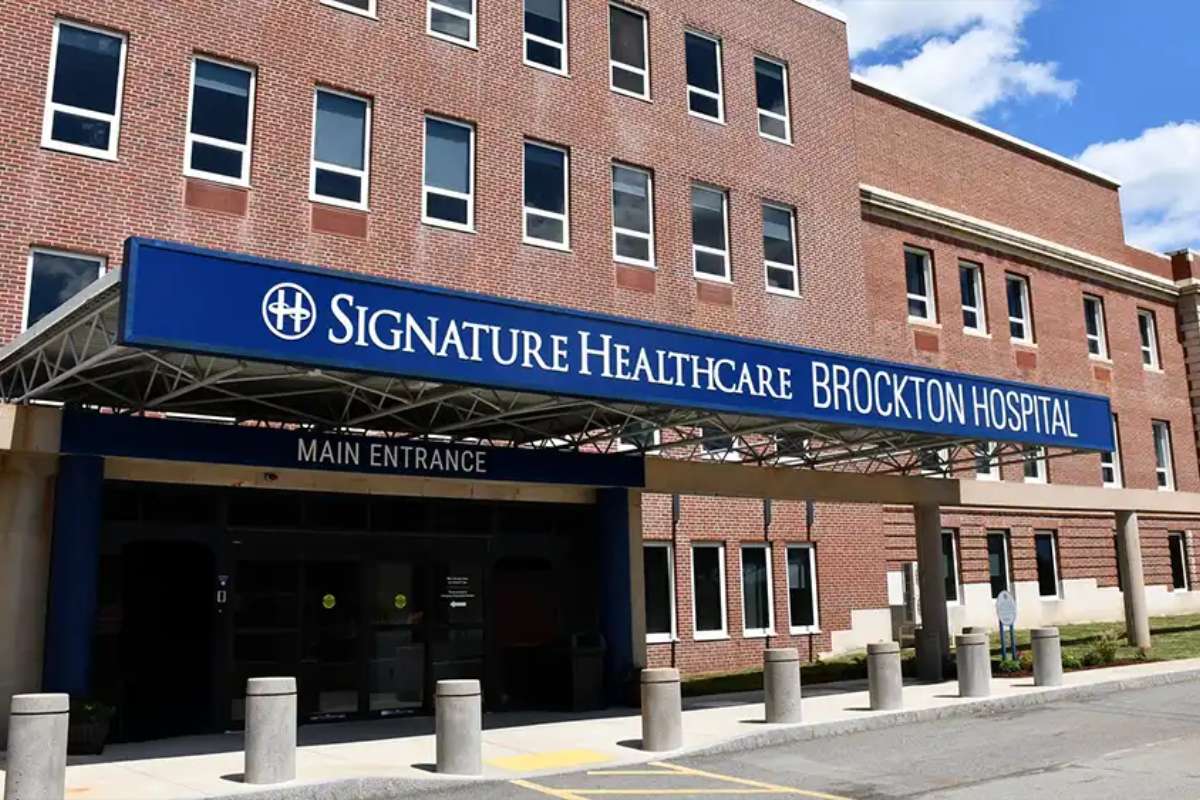
Signature Healthcare Brockton Hospital has activated emergency protocols after a cybersecurity incident, identified as the Brockton Hospital Cyber Attack, affected parts of its information systems, forcing ambulance diversions while critical care services continued under controlled conditions. The disruption highlights ongoing risks to healthcare infrastructure as digital systems remain central to patient care operations.
Emergency Measures Activated To Maintain Patient Care
Hospital officials confirmed that ambulances were redirected to other facilities as teams responded to suspicious activity within internal systems linked to the Brockton Hospital Cyber Attack. Despite the disruption, several core services remained operational, including emergency care for walk-in patients, inpatient treatment, and scheduled surgeries.
To manage the situation, the hospital shifted to manual processes, often referred to as downtime procedures. These measures allow staff to continue delivering care without relying on digital systems. While effective in maintaining continuity, such processes can slow operations and increase pressure on medical teams.
Urgent care services and ambulatory physician appointments were expected to proceed, though delays remained possible due to limited system access. Healthcare providers often rely on digital platforms for scheduling, patient records, and communication, making any disruption a significant operational challenge.
Cybersecurity incidents in hospitals, including the Brockton Hospital Cyber Attack, can affect a wide range of functions, from clinical workflows to administrative tasks. Even partial system outages can lead to delays, rescheduling, or temporary suspension of certain services as teams prioritize patient safety.
Investigation Underway As Services Face Temporary Disruptions
The Brockton Hospital Cyber Attack prompted an internal investigation to determine the nature and scope of the suspicious activity. Officials have not yet provided details on the cause or extent of the system impact, but monitoring and response efforts remain ongoing.
Some services experienced direct disruption as a result of the incident. Chemotherapy infusions at the Greene Cancer Center were canceled for the following day, reflecting the sensitivity of specialized treatments that depend on precise scheduling and system support. In addition, pharmacy operations in Brockton and East Bridgewater were scheduled to remain closed temporarily.
Such disruptions illustrate how cybersecurity events can extend beyond IT systems and affect patient services. Hospitals depend on integrated digital infrastructure to coordinate treatments, manage medications, and maintain accurate patient information. When systems are compromised or taken offline as a precaution, the impact can be felt across multiple departments.
Healthcare organizations continue to strengthen cybersecurity measures in response to increasing threats. Incidents like the Brockton Hospital Cyber Attack reinforce the need for robust detection systems, rapid response strategies, and contingency planning to ensure continuity of care.
As recovery efforts continue, the focus remains on restoring full system functionality while maintaining safe and effective patient services. The incident serves as a reminder of the critical role cybersecurity plays in modern healthcare environments, where uninterrupted access to information systems is essential for delivering timely and coordinated medical care.
Visit more of our news! CyberPro Magazine