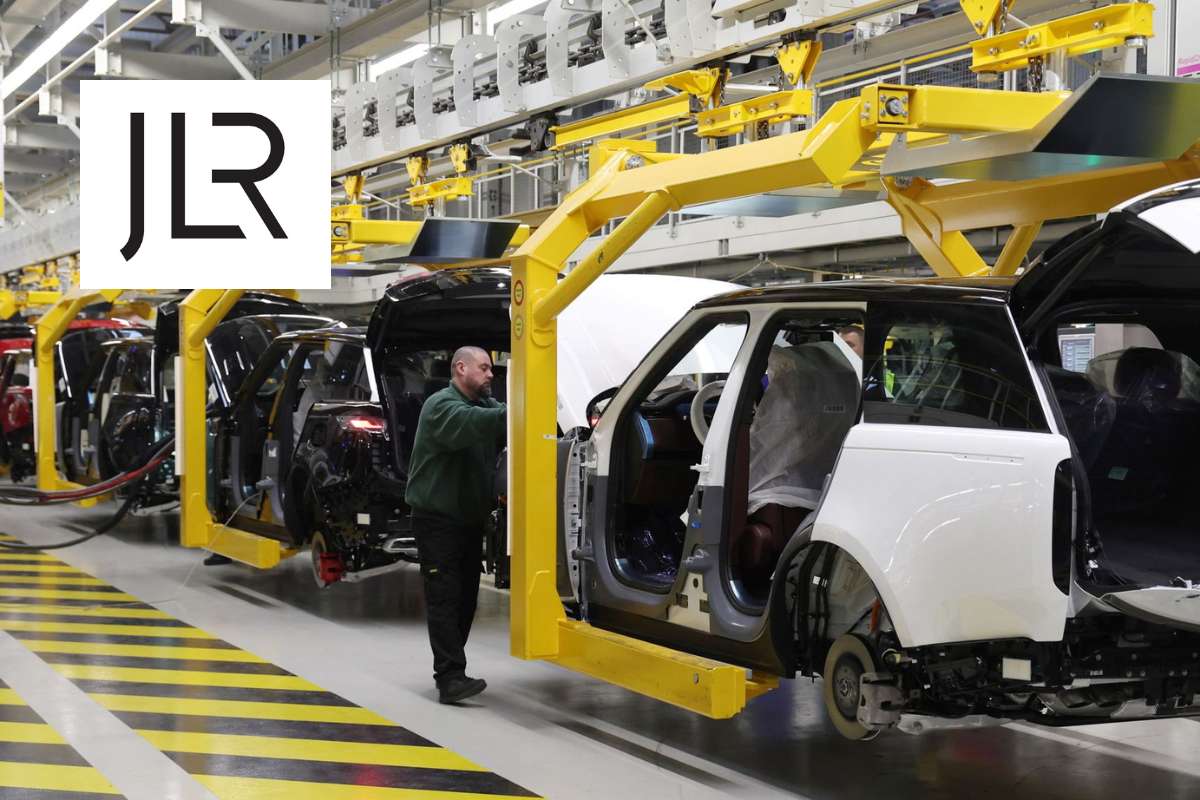
Jaguar Land Rover has reported a strong rebound in vehicle sales, highlighting a notable JLR sales recovery after restoring operations affected by a major cyber attack that disrupted production across its United Kingdom facilities. The company confirmed that manufacturing has returned to normal levels following the incident, which had a significant impact on output and sales in late 2025.
Cyber Incident Disrupts Production Across Key Facilities
The cyber attack forced JLR to halt production at all of its manufacturing sites for several weeks, affecting facilities in key locations such as Solihull and Halewood. Operations were paused for five weeks beginning in early September before gradually resuming in October. The disruption limited vehicle output and created delays across supply and delivery systems.
Cyber incidents of this scale can affect multiple layers of industrial operations, including manufacturing systems, logistics coordination, and data access. In this case, the shutdown led to reduced inventory levels and delayed shipments to dealers, directly impacting quarterly sales performance. The company indicated that restoring production and achieving a smooth JLR sales recovery required careful system recovery and validation to ensure operational stability and data security.
Following the restart, Jaguar Land Rover reported selling 95,300 vehicles to dealers in the three months ending March 31, marking a 61.1 percent increase compared to the previous quarter. Retail sales also rose to 92,700 vehicles, reflecting a 16.2 percent increase over the same period. These figures suggest a recovery in production capacity and improved distribution after the cyber disruption.
Recovery Highlights Need For Cyber Resilience In Manufacturing
Despite the quarterly rebound, year-on-year figures show that the cyber incident had a lasting impact. Sales to dealers were still down 14.5 percent compared to the same period a year earlier, while retail sales declined by 14.3 percent. The company also reported a 23.1 percent drop in United Kingdom sales and a 29.8 percent decline in China, indicating broader challenges alongside the cyber event.
The incident underscores the growing importance of cybersecurity in manufacturing environments. Modern automotive production relies heavily on interconnected digital systems, making it vulnerable to disruptions if systems are compromised. A single incident can interrupt production lines, delay supply chains, and affect global distribution networks.
JLR sales recovery reflects efforts to restore operations while maintaining system integrity. Ensuring that production systems are secure and fully functional after a cyber incident is critical to preventing further disruption. Companies in the automotive sector are increasingly focusing on strengthening cybersecurity measures to protect both operational technology and enterprise systems.
The return to normal production levels signals that Jaguar Land Rover has stabilized its manufacturing processes following the attack. However, the financial impact seen in year-on-year comparisons highlights how cyber incidents can have extended effects beyond the initial disruption period.
As manufacturing becomes more digitized, incidents like this demonstrate the need for robust cybersecurity strategies that include prevention, rapid response, and recovery planning. For global manufacturers, maintaining cyber resilience is essential to ensuring continuity of operations and minimizing the impact of unexpected disruptions.